

Football is a fast-paced sport where tackles, kicks and accidental collisions are part of the game. While football boots help players move, control the ball and maintain grip, football shin guards protect one of the most exposed areas of the lower leg.
Shin guards are designed to provide reasonable protection to the shins against impacts during play. They are also compulsory equipment under the Laws of the Game. Whether you are playing your first game, training regularly or competing at a higher level, choosing the right shin guards and wearing them correctly is an important part of your football equipment.
But with different sizes, materials and designs available, which shin guards should you choose? How should they fit, and how can you stop them from slipping?
This guide explains everything you need to know about football shin guards, including their purpose, types, rules, sizing, fit, maintenance and how to wear them.
What are Football Shin Guards?
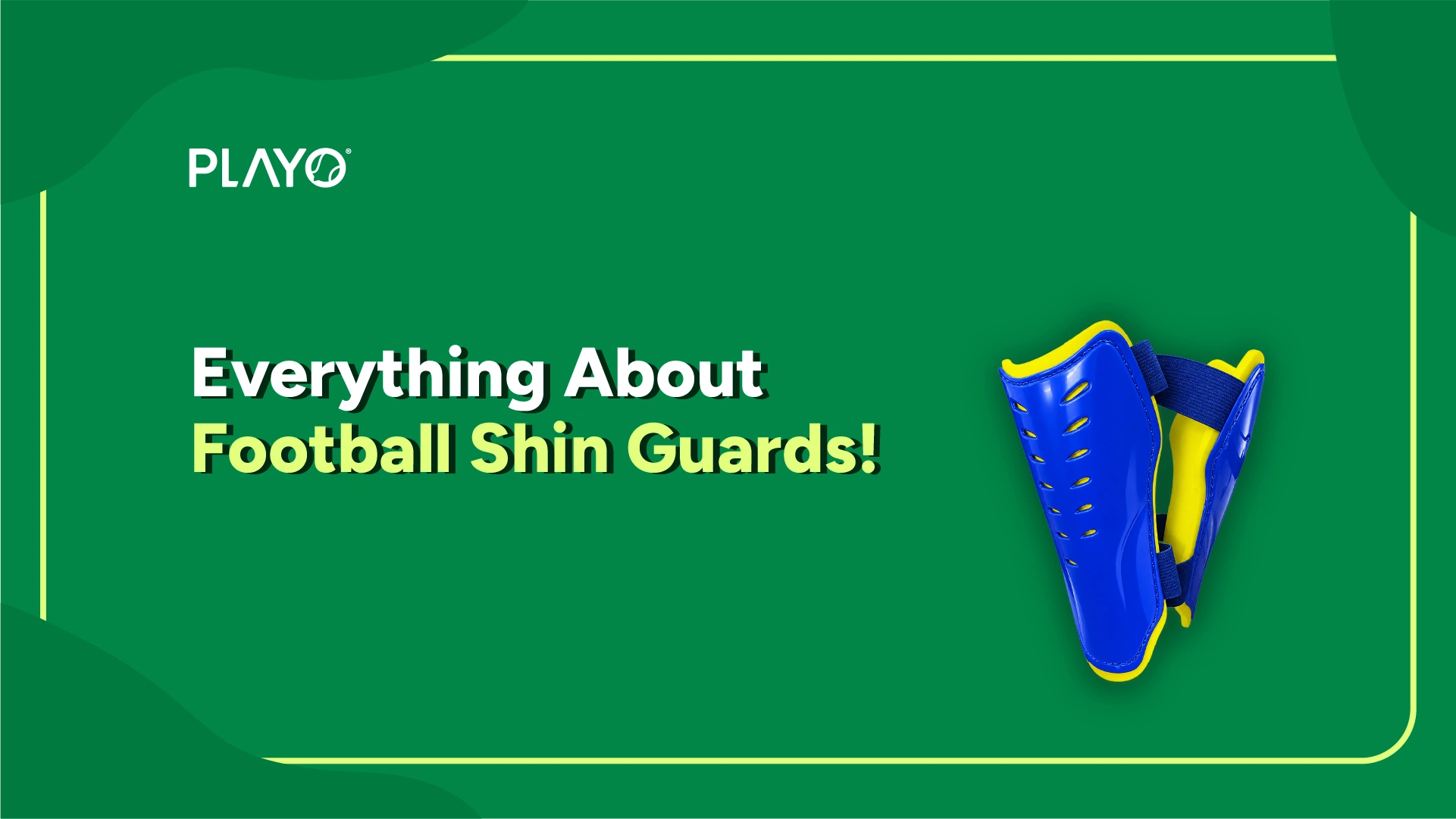
Football shin guards, also called shin pads or shinguards, are protective pieces of equipment worn over the front of the lower leg. Their primary purpose is to provide reasonable protection to the shin from impacts that can occur during football.
The front of the lower leg can be exposed to direct contact from an opponent’s foot, a tackle or an accidental collision. A shin guard creates a protective layer between the leg and the source of impact.
Shin guards come in different shapes, sizes, and designs. Many models combine a relatively rigid outer layer with softer padding or lining. However, construction varies by product, so players should follow the manufacturer’s instructions when choosing and caring for a particular pair.
They are worn underneath football socks, and the socks must cover the shin guards during a match.
Read More: Football Size Guide
Why are Shin Guards Important in Football?
Shin guards are important because the shins can be exposed to direct contact during normal football play. Tackles, challenges for the ball, and accidental kicks can all impact the lower leg.
A properly fitted shin guard is designed to provide reasonable protection to this area. It does not eliminate the possibility of injury, but it provides a layer of protection between the player’s shin and external contact.
The level of protection can vary depending on factors such as the guard’s design, size, material, and fit. A larger or more heavily constructed guard may provide greater coverage, while a lightweight design may appeal to players who prioritise mobility and comfort.
For this reason, choosing shin guards should involve more than simply buying the largest pair available. The guard needs to fit properly and stay securely in place during movement.
Are Shin Guards Compulsory in Football?
Yes. Shin guards are compulsory in football under IFAB Law 4, which covers players’ equipment. Under the current 2026/27 Laws of the Game, shin guards are part of a player’s compulsory equipment. They must:
- Be made from a suitable material
- Be an appropriate size to provide reasonable protection
- Be covered by the socks
Players are responsible for ensuring that their shin guards are appropriately sized and suitable for providing reasonable protection.
If a player accidentally loses a shin guard during play, they must replace it as soon as possible and no later than when the ball next goes out of play. If the player plays the ball or scores before replacing the shin guard, the goal is awarded, but the player must still replace the missing equipment.
These requirements apply to players participating in matches governed by the standard Laws of the Game.
What are the Different Types of Football Shin Guards?
There is no single design of shin guard. Manufacturers produce different styles to accommodate players who have different preferences for weight, coverage and fit.
Slip-In Shin Guards
Slip-in shin guards are lightweight guards designed to sit against the front of the shin underneath the football sock. They are popular among players who prefer a simple and lightweight design.
Because many slip-in guards are not designed with extensive ankle coverage, they generally provide less coverage than ankle-style designs. A compatible sleeve can be used to help keep them securely positioned.
Their lightweight construction can make them appealing to players who want to minimise the amount of equipment they feel on their legs.
Ankle Shin Guards
Ankle shin guards combine shin protection with additional coverage around the ankle area. They generally provide more coverage than basic slip-in designs. The additional material can make them feel bulkier, so players who prioritise minimal weight may prefer a simpler shin guard.
Ankle-style designs can be particularly useful for players who prefer having more of the lower leg and ankle area covered rather than using the smallest possible guard.
Shin Guard Sleeves
Shin guard sleeves are elasticated sleeves designed to hold compatible shin guards against the leg. A sleeve is not itself a replacement for the compulsory shin guard. Instead, it can be used with a suitable shin guard to help prevent movement during running, turning and other football movements.
Sleeves are especially useful for players whose slip-in shin guards tend to slide down during training or matches.
Custom-Fit Shin Guards
Custom-fit shin guards are designed to follow the shape of an individual player’s lower leg. They can provide a more personalised fit than standard-shaped products. They may be useful for players who have difficulty finding a comfortable fit with standard designs or who prefer a closer-fitting guard.
As with any other type, the shin guard still needs to satisfy the applicable Laws of the Game when used in a match.
What Materials are Used in Shin Guards?
Football shin guards can be made using a combination of rigid and flexible materials. The outer portion of many designs is made from a relatively hard material intended to provide protection, while the inside may contain foam, padding or another softer material for comfort.
Different materials can affect the weight, flexibility, durability and feel of the guard. A lightweight design may be easier to forget about during play, while a more substantial design may provide greater coverage.
No single material is automatically the best choice for every footballer. The important consideration is whether the particular product is suitable for its intended use and meets the applicable requirements for match play.
How to Choose the Right Football Shin Guards
Choosing the right football shin guards comes down to several factors, including size, coverage, comfort, stability and personal preference.
1. Choose the Correct Size
Size is one of the most important considerations.
A shin guard should provide reasonable protection without being unnecessarily large or restrictive. A guard that is too small may leave more of the shin uncovered, while an excessively large guard may feel uncomfortable or interfere with movement.
Manufacturers commonly provide sizing recommendations based on factors such as the player’s height or age. Because sizing systems differ between brands and models, always check the specific manufacturer’s size guide rather than relying on a universal measurement.
2. Consider the Coverage
Think about how much of your lower leg you want the guard to cover. A basic slip-in guard generally offers a lightweight solution focused on the shin, while an ankle-style design provides additional coverage around the ankle.
More coverage can mean additional weight or bulk, so consider what feels comfortable during actual football movements.
3. Look at Comfort
Comfort matters because shin guards can be worn throughout an entire training session or match. Pay attention to the shape, weight, padding and edges of the guard. It should sit comfortably against the leg without causing unnecessary pressure or irritation.
If a guard feels uncomfortable while walking or jogging, it is unlikely to become more comfortable once you start sprinting and changing direction repeatedly.
4. Check Stability
A good shin guard should remain in its intended position while you move. If it repeatedly slides down, rotates sideways or shifts away from the front of your shin, check whether you have selected the correct size and whether the design suits your leg.
A compatible shin guard sleeve can also help secure slip-in guards.
5. Consider Your Playing Needs
Different players have different preferences. A player who values lightweight equipment may prefer a compact slip-in design, while someone who wants greater coverage may prefer an ankle-style guard.
No single football shin guard is universally “best.” The right choice fits well, stays in place, and provides reasonable protection while letting you move comfortably.
How Should You Wear Football Shin Guards?
Position football shin guards over the front of the lower leg and under the football socks. Place the guard centrally over the shin and make sure it sits comfortably. Then pull the football sock completely over the guard.
Before training or playing a match, walk and jog to check whether the guard stays in place. If it moves excessively, adjust its position or use a compatible securing method.
The requirement that shin guards be covered by the socks is part of IFAB Law 4.
How Do You Stop Shin Guards From Slipping?
Shin guards can shift during a match, especially when players sprint, turn quickly, jump or make tackles. One of the simplest solutions is to use a shin guard sleeve designed for the type of guard you are wearing. The sleeve helps hold the guard against the leg and can reduce unwanted movement.
Choosing the correct size is equally important. A guard that is too small, too large or poorly shaped for your leg may move regardless of how you secure it. Some products are specifically designed with features that improve stability. If your shin guards continue to move, trying a different design may be more effective than repeatedly adjusting them during a game.
Any securing method should be safe and should not create a hazard or unnecessarily restrict movement. Under Law 4, players must not use equipment that is dangerous.
How Should You Clean Football Shin Guards?
Shin guards can accumulate sweat and dirt after repeated use, particularly when they are worn during intensive training sessions. After playing, remove the guards from your socks and allow them to dry properly. Wipe them according to the manufacturer’s care instructions.
Avoid leaving wet shin guards inside a closed football bag for long periods. Proper drying can help keep the equipment fresh and prevent unpleasant odours.
Do not assume that every shin guard can be washed in the same way. Materials and construction vary, so check the manufacturer’s cleaning instructions before using strong cleaning products or placing the guards in a washing machine.
When Should You Replace Shin Guards?
Inspect your shin guards regularly for visible damage.
Look for:
- Cracks or splits in the outer material
- Sharp or damaged edges
- Broken components
- Damaged straps or sleeves
- Worn or deteriorated padding
If a shin guard is damaged to the point that it can no longer provide reasonable protection, it should be replaced. There is no universal replacement schedule because the lifespan of a shin guard depends on factors such as its construction, frequency of use, storage and level of wear.
Common Mistakes to Avoid When Using Shin Guards
Even a good pair of shin guards may not work properly if you use them incorrectly.
- Wearing the Wrong Size: A guard that is too small may provide inadequate coverage, while one that is too large may be uncomfortable or move during play.
- Leaving the Guard Partially Exposed: IFAB Law 4 requires shin guards to be covered by the socks. Make sure the football sock completely covers the guard before playing.
- Ignoring Movement: If your shin guard constantly slides down or rotates, don’t simply accept it as normal. Check the size, position and securing method.
- Using Damaged Guards: Cracked or badly damaged equipment may no longer provide reasonable protection. Inspect your guards regularly and replace them when necessary.
- Choosing Only Based on Appearance: Colour and design can be personal preferences, but fit, coverage, comfort, and protection should matter more when choosing shin guards.
Can You Play Football Without Shin Guards?
In matches played under the standard IFAB Laws of the Game, shin guards are compulsory equipment. Law 4 requires players to wear appropriate shin guards, which must be made from suitable material, be appropriately sized to provide reasonable protection and be covered by the socks.
Players are responsible for ensuring that their own shin guards meet the requirements. Match officials can require equipment to be corrected if it does not comply with the Laws. Therefore, players should not treat shin guards as optional equipment when participating in a match governed by the standard Laws of the Game.
Conclusion
Football shin guards are an essential part of a player’s equipment, designed to provide reasonable protection to the shins from impacts during tackles, kicks and other contact. When choosing them, consider size, coverage, comfort, stability and construction. Slip-in, ankle-style and custom-fit designs offer different levels of coverage and fit, while compatible sleeves can help keep them in place.
Shin guards must be worn over the front of the shin and completely covered by football socks. Check them regularly for damage and replace them when they no longer provide reasonable protection. Under the current 2026/27 IFAB Laws of the Game, shin guards are compulsory and must be made from suitable material, appropriately sized to provide reasonable protection and covered by the socks.
Download Playo on Android or iOS, or visit playo.co to start playing!
Frequently Asked Questions
Yes. Shin guards are compulsory equipment under the IFAB Laws of the Game. They must be made from a suitable material, be appropriately sized to provide reasonable protection and be covered by the socks.
Football shin guards are designed to provide reasonable protection to the shins from impacts that can occur during tackles, kicks and other contact during play.
Football shin guards should fit securely over the front of the shin without being unnecessarily large or restricting movement. The correct size varies by player and manufacturer, so it is best to follow the product’s sizing guide.
No. In matches played under the standard IFAB Laws of the Game, shin guards are compulsory equipment for players.
A compatible shin guard sleeve can help keep slip-in shin guards securely positioned. Choosing the correct size and a design that fits the shape of your leg can also reduce movement.
Football shin guards in India currently cost around ₹299 to ₹1,599 or more, depending on the brand, design and features. For example, Decathlon currently lists adult shin guards from ₹299 to ₹599, while adidas models range from ₹649.50 on sale to ₹1,599. Premium or specialised options may cost more.