

In the Indian Premier League (IPL), where batting often steals the spotlight, raw pace remains one of the most intimidating forces in the game. The fastest ball in IPL history was bowled by Shaun Tait, clocking a staggering 157.7 km/h in 2011, a record that still stands today. Since the league began in 2008, only a handful of elite fast bowlers have crossed the 150 km/h mark consistently, making extreme pace a rare and valuable skill in T20 cricket.
Speed in the IPL is not just about numbers on the speed gun. Deliveries above 145 to 150 km/h significantly reduce a batter’s reaction time, forcing errors and creating wicket-taking opportunities, especially in high-pressure phases like the powerplay and death overs. Over the years, bowlers like Lockie Ferguson, Anrich Nortje, and Umran Malik have come close to breaking records, showing how fast bowling standards continue to evolve.
So, who are the fastest bowlers in IPL history, and what does it take to reach these extreme speeds? Let’s break it down.
Who Bowled the Fastest Ball in IPL History?
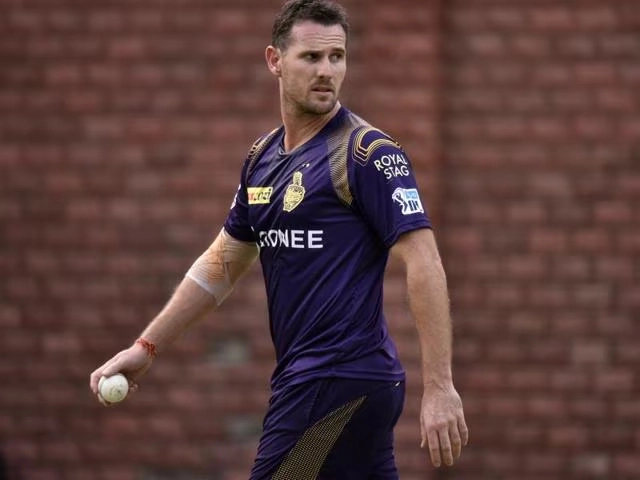
The fastest ball in IPL history was bowled by Shaun Tait, who clocked an incredible 157.7 km/h while playing for Rajasthan Royals during the 2011 season. This delivery came against the Delhi Daredevils (now Delhi Capitals) and remains the highest recorded speed in the tournament to date.
What makes this record even more impressive is the format in which it was achieved. The IPL is known for its batting-friendly pitches and high-pressure situations, where bowlers often prioritise control over sheer pace. Despite this, Tait pushed the limits of fast bowling and delivered one of the quickest balls ever seen in T20 cricket.
Tait’s unique slingy action played a major role in generating such extreme speed. Combined with a powerful run-up and explosive release, he was consistently able to bowl above 150 km/h, making him one of the most feared pacers during his time.
Over the years, several bowlers have come close to breaking this record. Lockie Ferguson reached 157.3 km/h, while Umran Malik touched 157 km/h, showing how rare and difficult it is to surpass Tait’s mark.
Even after more than a decade, no one has broken this record, which highlights just how exceptional that delivery was. It continues to define the benchmark for the fastest ball in IPL history.
Read More: IPL 2026 Team Squads
Top 10 Fastest Balls in IPL History (2026)
The table below compiles the top 10 fastest deliveries in IPL history (updated 2026), ranked by recorded speed. It highlights how close several bowlers have come to Shaun Tait’s long-standing record, with multiple entries crossing the 155 km/h mark in recent seasons.
| Rank | Bowler | Team | Speed (kmph) | Year | Opponent |
| 1 | Shaun Tait | Rajasthan Royals | 157.71 | 2011 | Delhi Daredevils |
| 2 | Gerald Coetzee | Mumbai Indians | 157.40 | 2024 | Rajasthan Royals |
| 3 | Lockie Ferguson | Gujarat Titans | 157.30 | 2022 | Rajasthan Royals |
| 4 | Umran Malik | Sunrisers Hyderabad | 157.00 | 2022 | Delhi Capitals |
| 5 | Mayank Yadav | Lucknow Super Giants | 156.70 | 2024 | Royal Challengers Bengaluru |
| 6 | Anrich Nortje | Delhi Capitals | 156.22 | 2020 | Rajasthan Royals |
| 7 | Umran Malik | Sunrisers Hyderabad | 156.00 | 2022 | Delhi Capitals |
| 8 | Mayank Yadav | Lucknow Super Giants | 155.80 | 2024 | Punjab Kings |
| 9 | Anrich Nortje | Delhi Capitals | 155.10 | 2020 | Rajasthan Royals |
| 10 | Umran Malik | Sunrisers Hyderabad | 154.80 | 2022 | Delhi Capitals |
Fastest Indian Bowlers in IPL
Indian fast bowling has undergone a major transformation in recent years. Traditionally known for swing and seam, Indian pacers are now consistently touching 150 km/h, thanks to better fitness, improved training methods, and a stronger emphasis on pace. Two names that define this shift are Umran Malik and Mayank Yadav, who have redefined what Indian fast bowlers can achieve in the IPL.
Umran Malik: Fastest Ball by an Indian (157 km/h)
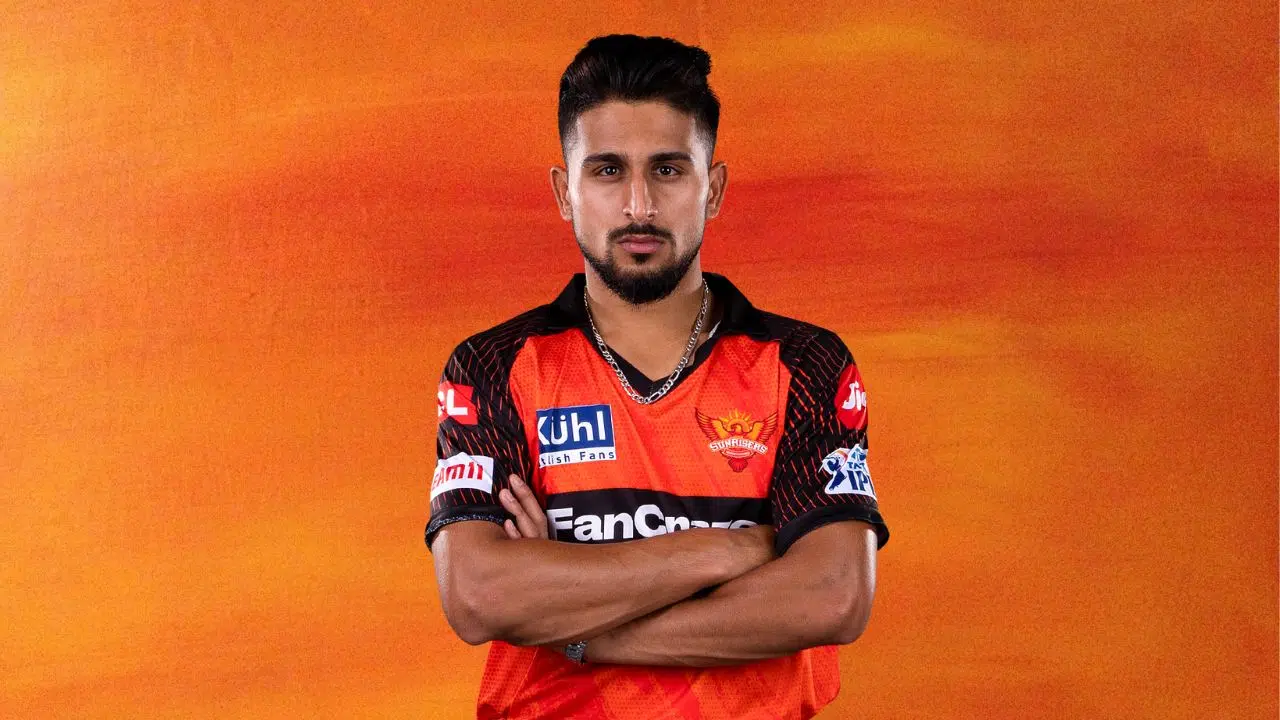
Umran Malik emerged as one of the most exciting fast bowlers in the IPL when he clocked 157 km/h in 2022, the fastest ball ever bowled by an Indian in the tournament. Representing Sunrisers Hyderabad, he quickly gained attention for his ability to consistently bowl above 150 km/h.
What sets Umran apart is his natural pace and aggressive approach. Despite not having a very tall frame, he generates impressive speed through strong lower-body drive and explosive momentum in his run-up. His smooth bowling action allows him to maintain high speeds without losing control, which is rare for express pacers.
His performances in IPL 2022 were particularly notable, where he picked up 22 wickets in 14 matches, combining pace with wicket-taking ability. This breakthrough season not only established him as a key IPL bowler but also earned him a call-up to the Indian national team within a short span.
Mayank Yadav: Second-Fastest Indian in IPL (156.7 km/h)
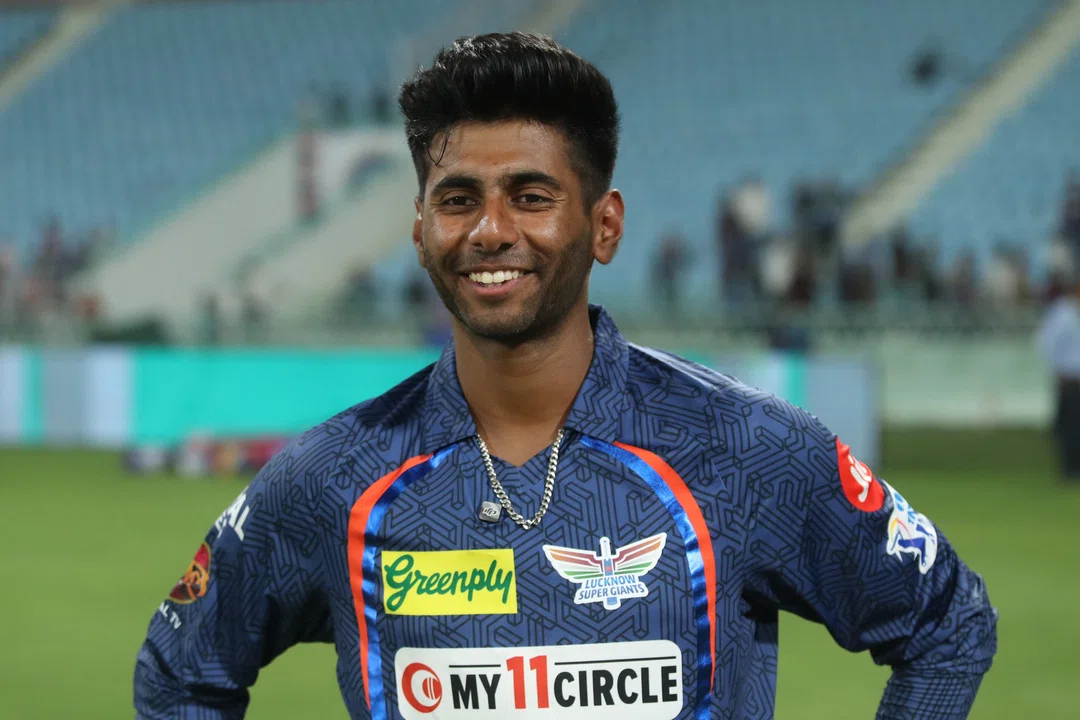
Mayank Yadav is the latest addition to India’s growing list of high-speed bowlers. In IPL 2024, the Lucknow Super Giants pacer clocked 156.7 km/h, making it one of the fastest deliveries by an Indian in IPL history.
What makes Mayank particularly exciting is his ability to combine pace with movement. Unlike many express bowlers who rely purely on speed, he can generate swing, making him more effective and unpredictable. His bowling action is also efficient, allowing him to produce high speeds while reducing stress on his body.
Mayank’s ability to deliver yorkers at high pace, especially in pressure situations, makes him a valuable asset in T20 cricket. His immediate impact in the IPL quickly put him on the radar for international selection, marking him as a future star for Indian fast bowling.
Why Pace Matters in IPL
In a format dominated by aggressive batting, raw pace plays a crucial role in keeping the balance between bat and ball. Deliveries exceeding 145–150 km/h significantly reduce a batter’s reaction time, often leaving less than half a second to judge length, line, and shot selection. This makes even well-set batters prone to mistimed shots, edges, and defensive errors.
Fast bowling is especially effective during the powerplay, where the new ball offers extra bounce and carry. Bowlers who can generate high speeds can challenge batters early and prevent quick starts. In the death overs, pace becomes even more valuable. Yorkers and short balls delivered at high speed are far more difficult to execute against, making it harder for batters to score freely in the final overs.
Beyond the physical challenge, pace also creates psychological pressure. Batters are forced to adjust their timing and technique, which can disrupt their rhythm. In many cases, even the threat of speed is enough to influence decision-making. This is why teams actively invest in genuine fast bowlers, as pace remains one of the most effective weapons in T20 cricket.
Conclusion
The fastest ball in IPL history is more than just a number on the speed gun. It reflects how fast bowling has evolved in a format that is largely dominated by batters. Shaun Tait’s 157.7 km/h delivery remains the benchmark, but the gap is steadily closing with modern bowlers consistently pushing past the 150 km/h mark.
The rise of players like Umran Malik and Mayank Yadav shows that express pace is no longer limited to a few international names. Indian fast bowlers are now matching global standards, adding a new dimension to the IPL. With better fitness, advanced training, and fearless young talent, the league is witnessing a steady increase in high-speed bowling.
While the record still stands, it feels more under threat than ever. As new generations of fast bowlers continue to emerge, the IPL could soon witness a new milestone that redefines the limits of pace in T20 cricket.
Download Playo on Android or iOS, or visit playo.co to start playing!
Frequently Asked Questions
The fastest ball in IPL history is 157.7 km/h, bowled by Shaun Tait in 2011.
Umran Malik holds the record for the fastest ball by an Indian in IPL history at 157 km/h.
No, Shaun Tait’s record of 157.7 km/h still remains unbeaten.
Mayank Yadav bowled the fastest delivery in IPL 2024, clocking 156.7 km/h.
As of March 2026, Rashid Khan is the No. 1-ranked ODI bowler in the world, according to the ICC rankings.