


In professional tennis, the serve is the only shot a player fully controls. It starts at every point and can completely shape a match. While most players rely on a balanced game, a select few have turned their serve into a decisive advantage.
These players are not just strong servers. They are known for producing some of the biggest serves ever recorded and for making service games nearly untouchable. When discussions begin about who has the best serve in tennis or who is the best server in tennis history, their names always come up. Here are the five greatest serve bots in tennis history.
What is a Servebot in Tennis?
A serve bot tennis player is someone whose game revolves almost entirely around their serve. The serve bot’s meaning refers to a player whose serve is so dominant that it becomes their primary and most reliable weapon.
Typically, tennis serve bots:
- Hit 140 to 155+ mph first serves
- Accumulate massive ace counts
- Win a very high percentage of points on the first serve
- Keep rallies short
- Frequently push matches into tie-breaks
The term is commonly used to describe players who depend more on serve power than extended baseline rallies or all-court versatility.
1. John Isner
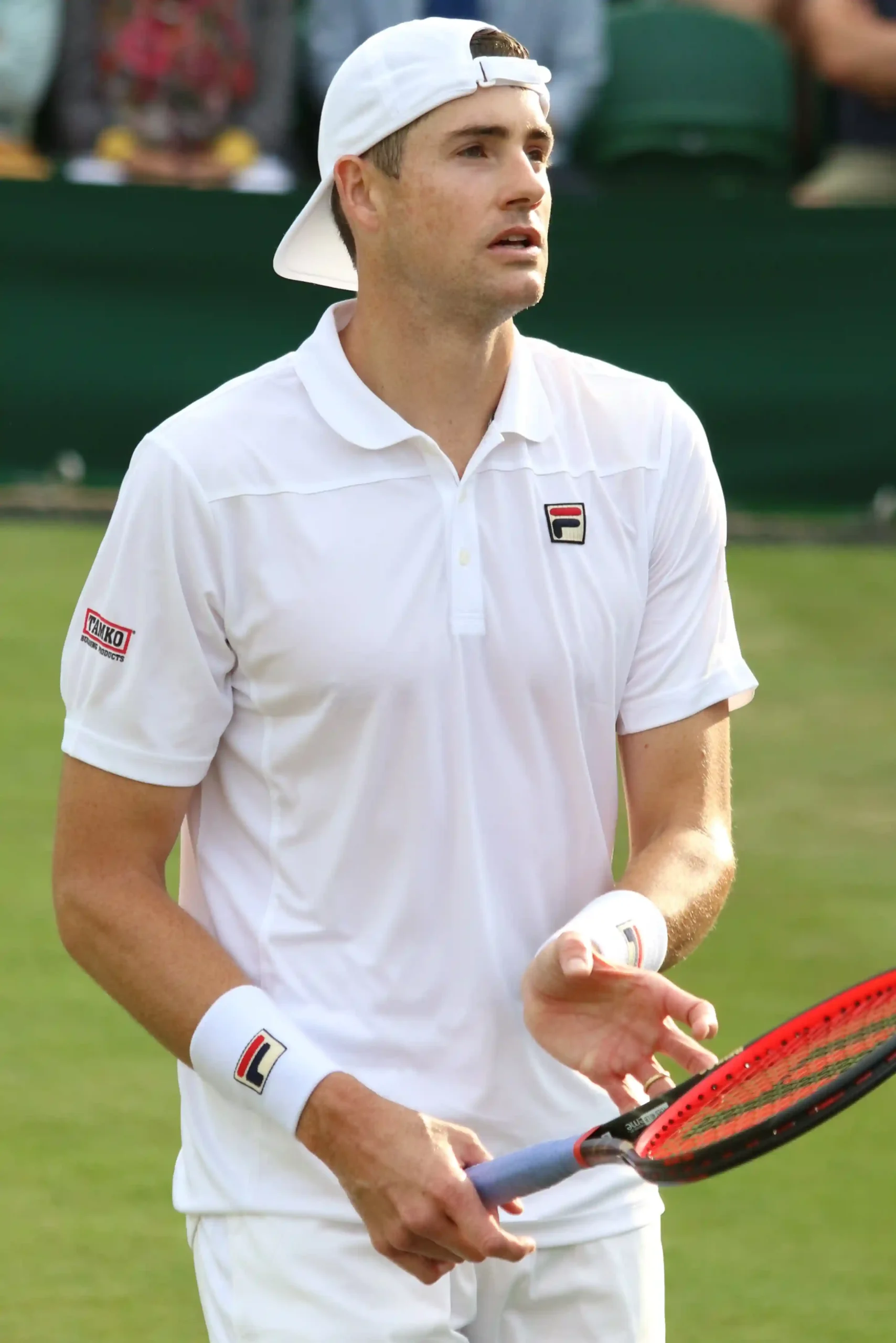
John Isner built his career around one of the most consistent and effective serves in modern tennis. Standing at 6’10”, he used his height to generate steep angles and powerful deliveries that were difficult to return.
Over the course of his career, Isner recorded more than 14,000 aces, the highest total in ATP history. His serving performance at Wimbledon in 2010 remains one of the most talked-about matches in the sport, where he hit 113 aces in a single contest. That match highlighted how heavily his game relied on holding serve under pressure.
What separated Isner from many other big servers was the reliability of his second serve. His kick serve regularly pushed opponents back, allowing him to start points on his terms. He consistently ranked among the leaders in service games won and first-serve points converted.
For many analysts, Isner represents the most statistically complete example of a serve bot in tennis, combining pace, accuracy, and long-term consistency.
2. Ivo Karlovic
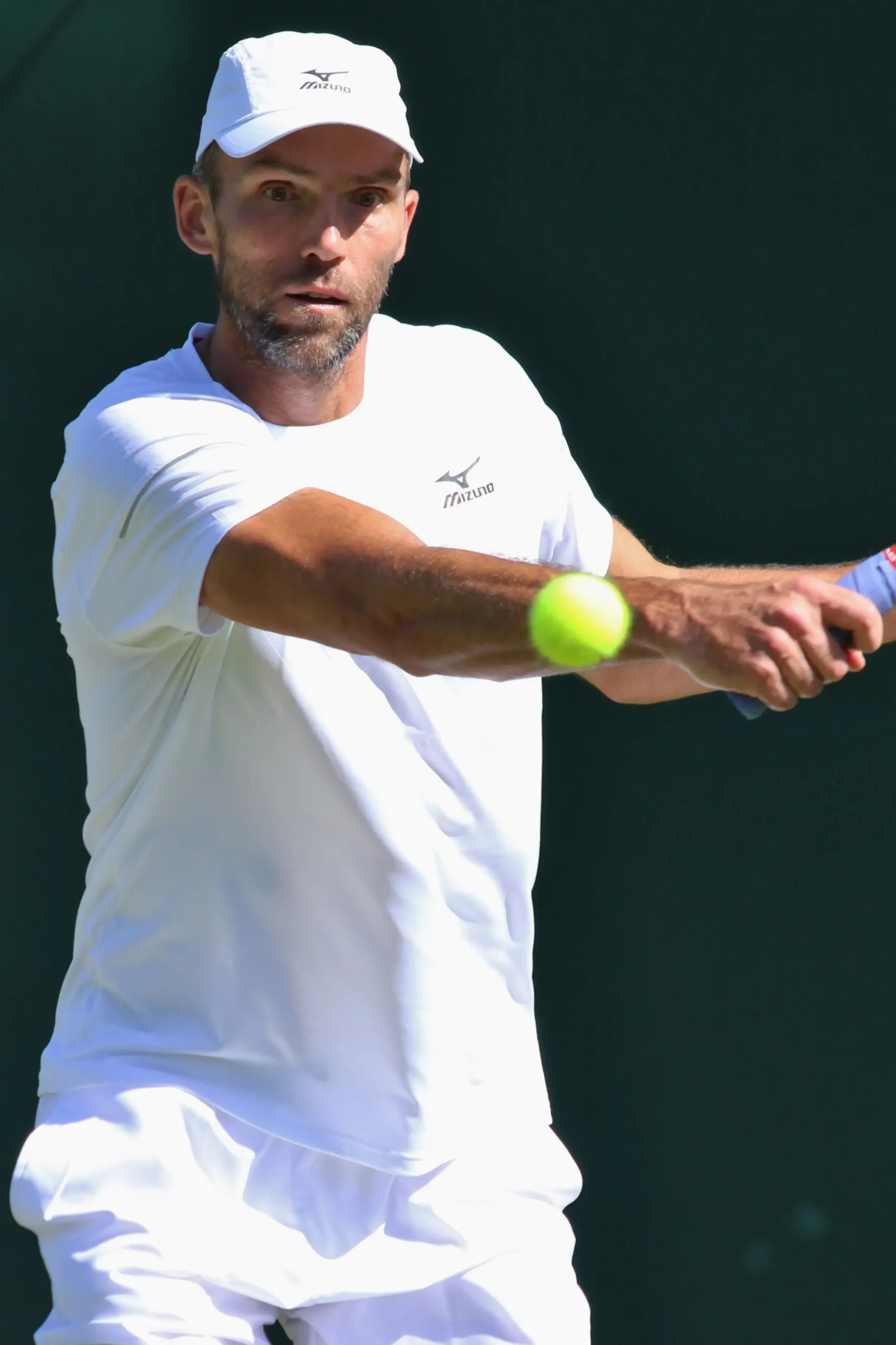
Ivo Karlovic’s tennis playing style was defined by his serve more than any other aspect of his game. At 6’11”, he used his height advantage to create sharp angles and heavy deliveries that made returning extremely challenging.
Karlovic finished his career with over 13,000 aces and frequently led the tour in service statistics. His fastest serve was recorded at 156 mph, but it was not just speed that made him effective. The bounce and trajectory of his serve often forced opponents into defensive returns.
Many of his matches were decided by tie-breaks, as breaking his serve required exceptional returning. His strategy was straightforward: protect his service games and capitalise on small opportunities in return games.
While he did not win a Grand Slam title, Karlovic remains one of the clearest examples of serve bot tennis. His career demonstrates how a dominant serve can sustain success at the highest level for many years.
3. Milos Raonic
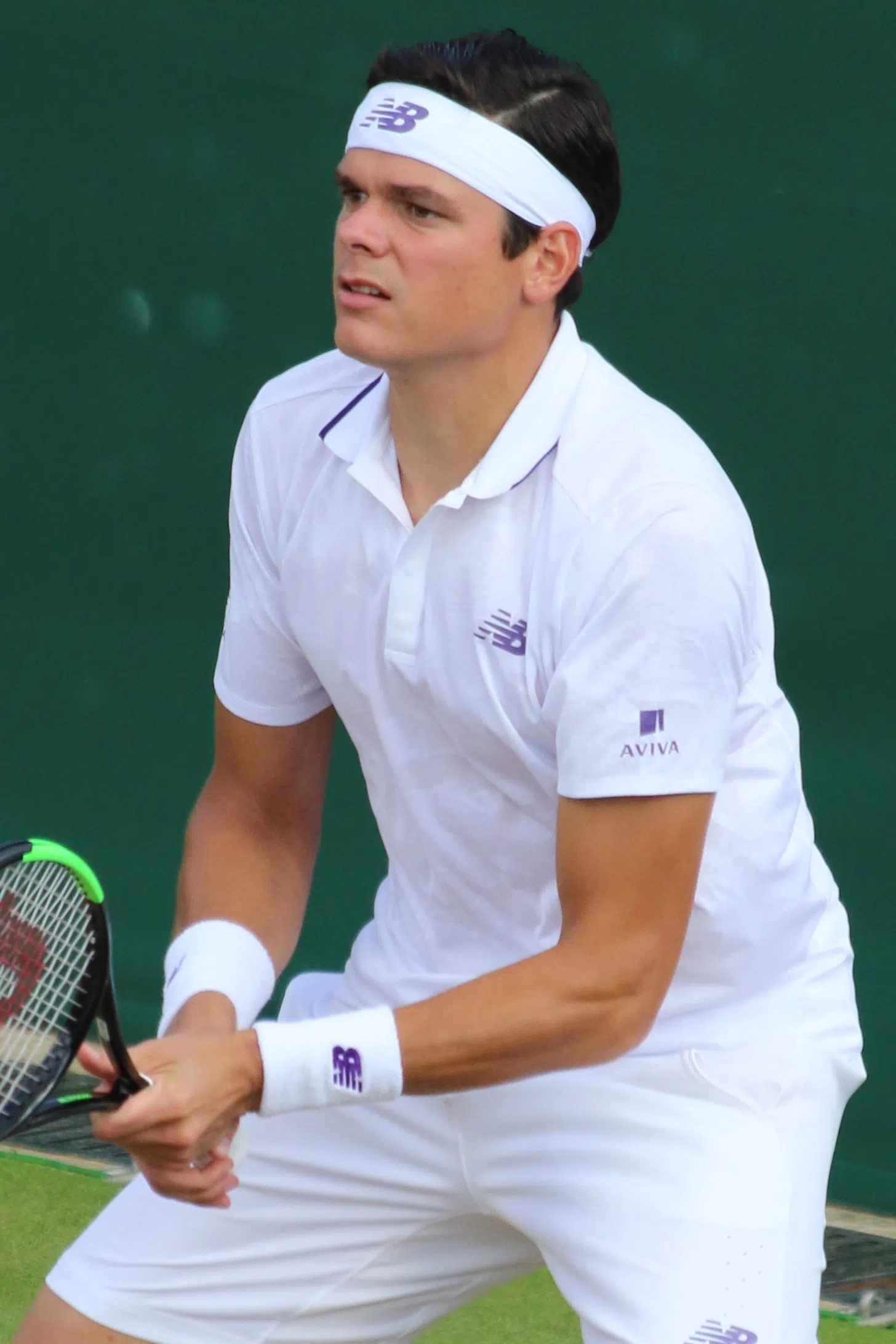
Milos Raonic combined a powerful serve with a strong all-around game, making him slightly different from traditional serve bots. His serve, however, remained the foundation of his success on tour.
Raonic reached a career-high ranking of World No. 3 and advanced to the Wimbledon final in 2016. During his peak years, he regularly hit serves above 140 mph and ranked among the leaders in aces per match. His service motion was efficient and repeatable, which allowed him to maintain high first-serve percentages.
Unlike some players whose games revolved almost entirely around serving, Raonic was also comfortable in baseline exchanges. Still, his ability to earn free points through his serve gave him a clear advantage in tight matches.
When discussions arise about the best tennis serve of the 2010s, Raonic is frequently mentioned because of the balance he achieved between power and precision.
4. Reilly Opelka
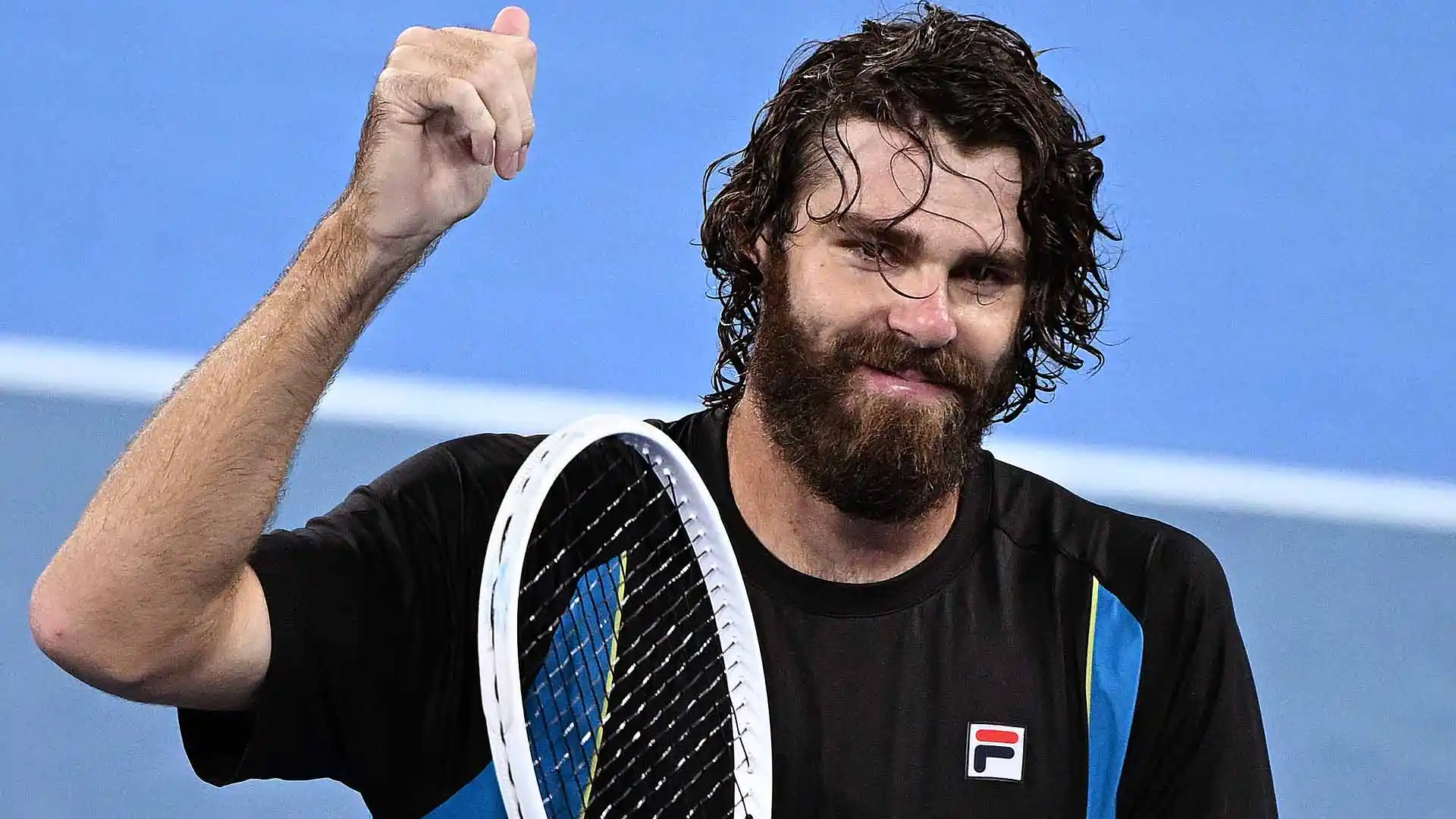
Reilly Opelka represents the modern generation of big servers on the ATP Tour. Like Karlovic, he stands at 6’11”, giving him a natural advantage on serve.
Opelka regularly delivers first serves above 140 mph and frequently ranks high in ace counts per match. His service games are often short, and many of his matches feature tie-break sets due to the difficulty opponents face in breaking him.
While still developing other areas of his game, Opelka has built his identity around serve dominance. His strategy often centres on protecting his service games and applying pressure in key return moments.
In recent years, he has shown that the serve remains one of the most effective weapons in modern tennis, especially on faster surfaces. His style fits closely with the traditional serve bot meaning, relying on power and precision to control matches.
5. Sam Groth
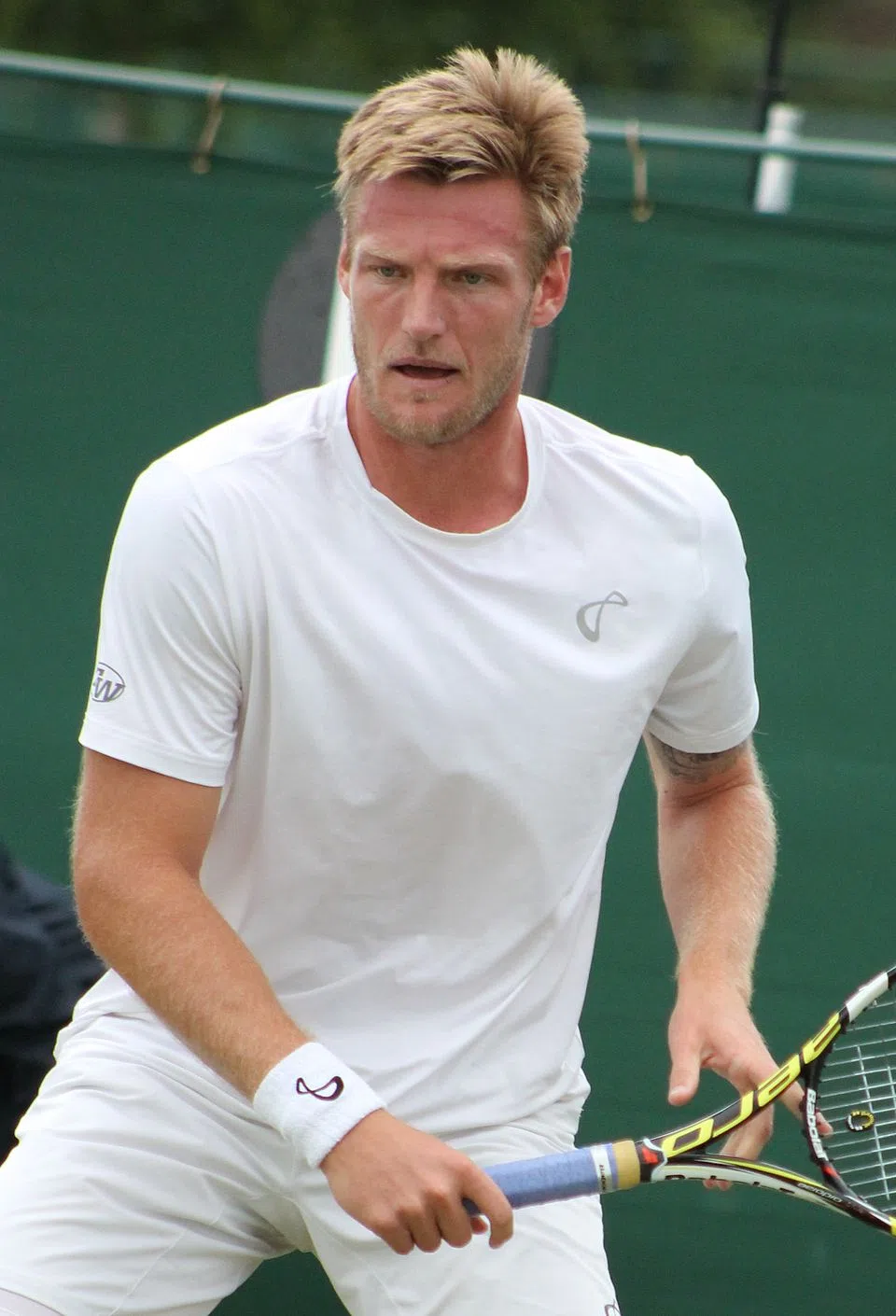
Sam Groth is best known for recording the fastest serve in professional tennis history. His serve was measured at 263.4 km/h, or 163.7 mph, during a Challenger event.
Although he did not achieve the same long-term success as some others on this list, his ability to generate extreme pace made him stand out. His serving power allowed him to shorten points and control the tempo of matches.
Groth’s playing style focused heavily on first-strike tennis, using the serve to dictate play immediately. On faster surfaces, his serve was particularly effective, often producing unreturnable deliveries.
His career highlights demonstrate how a single exceptional weapon can define a player’s identity. When conversations turn to the biggest tennis serve ever recorded, Groth’s name remains part of the discussion.
Download Playo on Android or iOS, or visit playo.co to start playing!
Frequently Asked Questions
A serve bot in tennis is an informal fan-coined term for a player whose game is heavily dominated by a powerful and effective serve. Serve bots typically rely on their serve to win a disproportionate number of points, rack up high ace counts, and force many games or matches into tie-breaks because they are very difficult to break. The term is often used in discussions to describe tall, big-serving players who may lack variety off the ground but compensate with serve dominance.
The fastest tennis serve ever recorded in professional competition belongs to Australian player Sam Groth, who hit a serve clocked at 263.4 km/h (163.7 mph) during a Challenger event in Busan, South Korea, in 2012.
French player Giovanni Mpetshi Perricard hit a 153 mph (246 km/h) serve at the 2025 Wimbledon Championships, setting the record for the fastest serve in Wimbledon history. Although he lost the match, this serve surpassed the previous tournament record set by Taylor Dent in 2010.
At Wimbledon, the fastest serve record is held by Giovanni Mpetshi Perricard, who recorded a serve at 153 mph (246 km/h) during the 2025 edition of the tournament. This broke the previous fastest Wimbledon serve record of 148 mph (238 km/h) set by Taylor Dent in 2010.
Yes, in the 2025 Wimbledon women’s singles final, Amanda Anisimova lost 6-0, 6-0 to Iga Świątek in just 57 minutes. This marked the first time in the Open Era that a player lost a Wimbledon singles final without winning a single game.