

What is a Cricket Bat Grip?
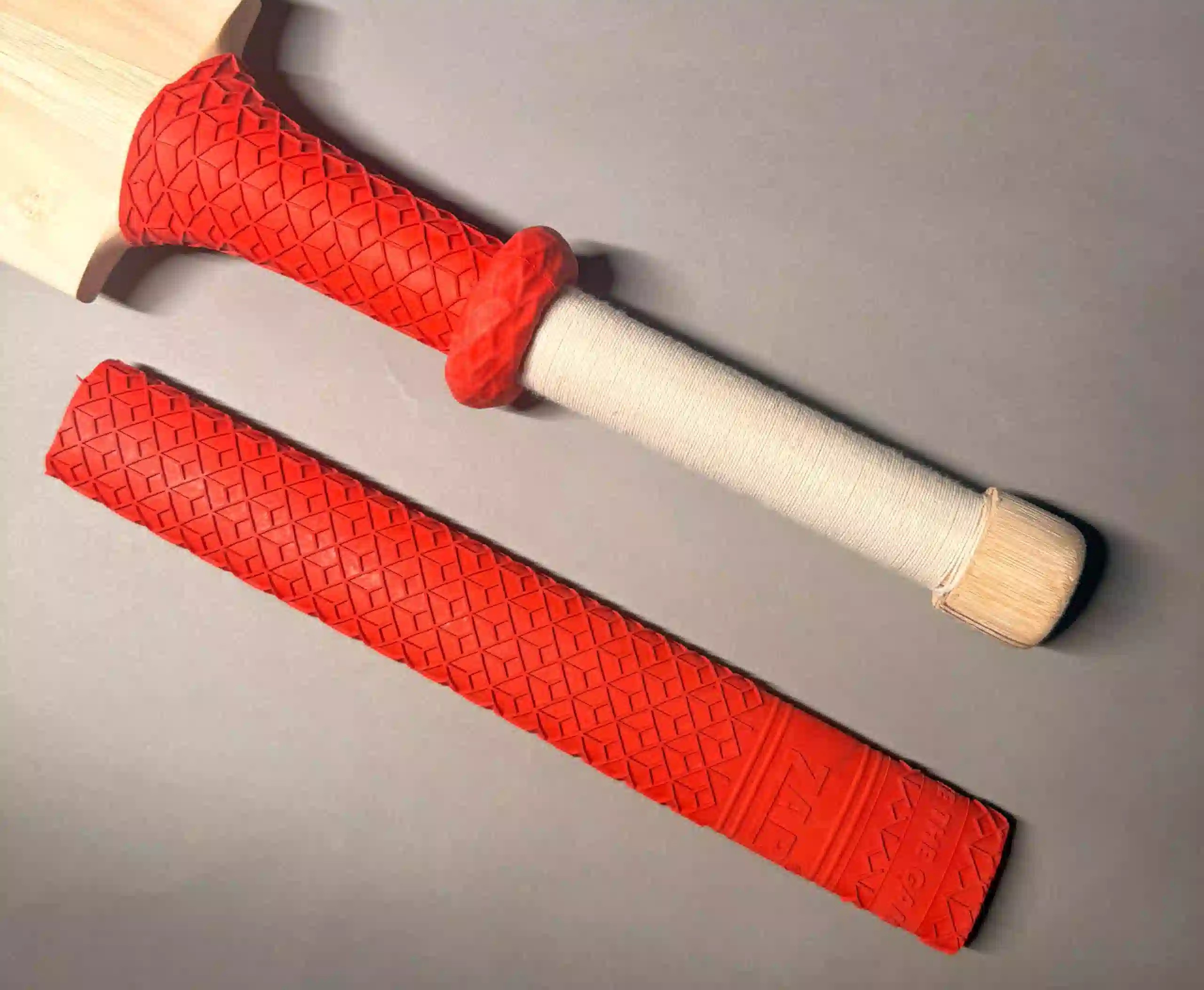
A cricket bat grip is a textured rubber covering fitted over the bat handle that directly impacts how securely, comfortably, and effectively a batter holds the bat. Available in different types such as chevron, octopus, diamond, ribbed, and scale grips, each design offers varying levels of thickness, cushioning, and surface texture to suit different hand sizes and playing styles. A good grip improves traction, absorbs shock from ball impact, and minimises vibration transferred to the hands, ensuring better stability and control at the crease, especially during fast bowling or mistimed shots.
Its purpose extends beyond basic hold. It plays a key role in shot execution and bat handling. A quality grip enhances control during drives, flicks, and defensive strokes, while reducing hand fatigue over long sessions. Studies highlight how the right grip influences bat speed, wrist freedom, and timing, making it a foundational element of correct batting technique.
Why Your Cricket Bat Grip Matters
Your cricket bat grip directly impacts shot accuracy, power, and control. A well-fitted grip allows precise wrist movement and smooth follow-through, turning good swings into boundaries. It also helps keep the bat face stable at impact, improving timing against both pace and spin bowling.
Poor grips lead to mistimed shots, reduced confidence, and hand fatigue. Reports indicate discomfort disrupts focus, while research links grip quality to performance. Players using optimal grips report better power transfer, improved shot consistency, reduced vibration on mishits, and fewer technical errors under pressure, especially during long innings or high-intensity match situations.
How to Grip a Cricket Bat?
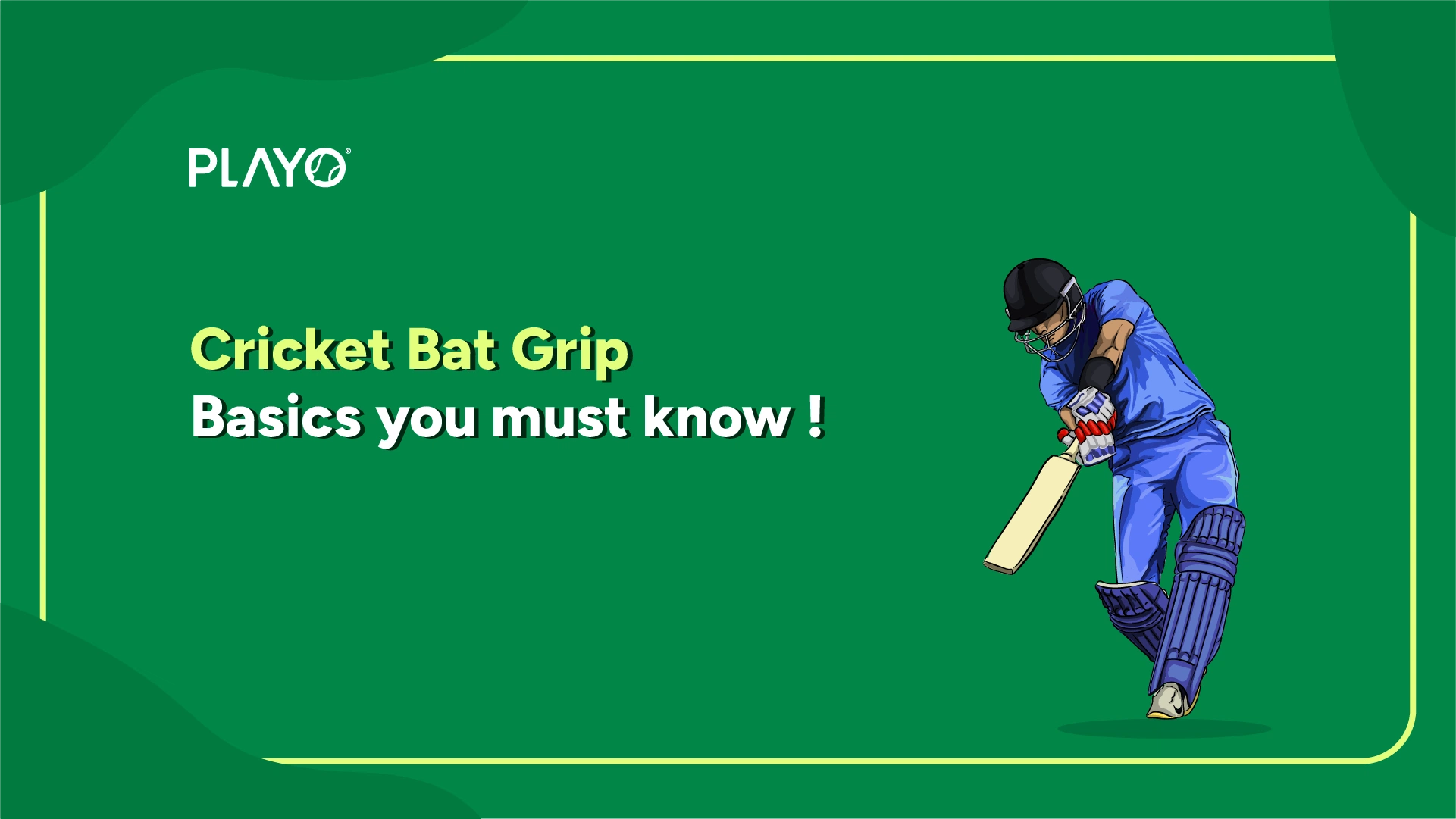
Learning how to grip a cricket bat begins with correct hand placement. For right-handed batters, the top hand (left hand) should sit higher on the handle with the index finger comfortably guiding the bat, while the bottom hand (right hand) rests lower to generate power and control. This balance between the two hands is essential for stable shot execution.
Next, follow the “V” rule by aligning the thumbs and index fingers of both hands to form a V shape pointing toward the bat’s spine or splice. This alignment helps keep the bat face straight at impact and improves overall control. Grip pressure should remain firm yet relaxed, avoiding excess tension that can stiffen the wrists and restrict natural bat flow. Maintain a correct batting posture with slightly bent knees, relaxed shoulders, and weight gently forward. A helpful visual cue is to imagine holding a bird, firm enough not to drop it, yet gentle enough not to hurt it. Experts also recommend practising this grip in front of a mirror to build muscle memory, especially for beginners.
Read More: 6 Forms of Cricket
Different Types of Cricket Bat Grip
1. Chevron Grip
The chevron grip is thin and highly tactile, offering excellent bat control and precision. It provides clear feedback through the hands, making it popular among technically sound and wristy batters who rely on timing rather than brute power.
2. Octopus Grip
The octopus grip features a thick, heavily cushioned design that absorbs shock effectively. It reduces vibration from fast bowling and mishits, making it ideal for players who bat for long innings or face high-speed deliveries regularly.
3. Diamond Grip
Diamond grips have a multi-directional textured pattern that improves traction from all angles. They strike a balance between control and shock absorption, suiting players who want stability without sacrificing bat feel or responsiveness.
4. Ribbed / Wave Grip
Ribbed or wave grips offer enhanced feedback by creating subtle ridges along the handle. These grips are favoured by wristy players who depend on quick adjustments, soft hands, and precise bat face control while playing delicate shots.
5. Scale / Dynamic Grip
Scale or dynamic grips provide balanced comfort and friction with a moderate thickness. They suit all-around players looking for a reliable, versatile grip that performs well across formats, conditions, and varying bowling speeds.
Types of Cricket Bat Grip at a Glance
Understanding the different types of cricket bat grip helps you choose equipment that complements your batting style, comfort needs, and match conditions.
| Grip Type | Texture/Feel | Best For |
| Chevron Grip | V-shaped pattern, firm & thin | Precision players, touch batters |
| Octopus Grip | Bubble-like, soft & thick | Fast bowling, long innings, big hitters |
| Diamond Grip | Raised diamonds, spongy | Shock absorption + multi-directional grip |
| Ribbed/Wave Grip | Longitudinal ridges | Wristy players needing tactile feedback |
| Scale/Dynamic Grip | Mixed texture | All-rounders, multi-format players |
Single Grip vs Double Grip
Choosing between a single and double cricket bat grip depends on comfort, feel, and playing conditions. A single grip offers better bat feel, quicker pickup, and greater control, making it ideal for wristy and timing-based players. A double grip adds extra cushioning, reduces vibration, and provides comfort during long innings or against fast bowling, especially on hard or humid pitches. Since a double grip slightly increases handle thickness and weight, the best approach is to try both in practice and choose what feels most natural.
How to Choose the Best Cricket Bat Grip
Selecting the best cricket bat grip depends on your needs. Consider these factors, as research insights confirm prioritising fit over hype:
1. Playing style (aggressive vs. defensive): Aggressive batters often prefer thicker, cushioned grips that absorb shock and support powerful shots, while defensive or wristy players usually choose thinner grips for better bat feel, control, and precise shot placement.
2. Hand size and sweat levels: Players with larger hands may need thicker grips for comfort and stability, whereas smaller hands suit thinner grips. If your palms sweat heavily, textured or ribbed grips offer better traction and prevent slipping.
3. Pitch and climate conditions: Hard pitches and fast bowling benefit from shock-absorbing grips, while humid or hot conditions call for grips with superior moisture control to maintain a secure hold.
4. Bat handle thickness preference: Some players prefer a slim handle for quick wrist movement, while others feel more confident with a thicker handle that provides extra cushioning and control.
Cricket Bat Grip Price Guide
Wondering about cricket bat grip price? Here’s a simple and realistic breakdown to help you choose.
- Budget (₹50–₹150): Basic rubber grips suitable for beginners and practice sessions, offering standard traction and limited cushioning with moderate durability.
- Mid-range (₹150–₹300): Branded grips from SS, SG, and Kookaburra with better texture, improved comfort, and enhanced durability for regular club players.
- Premium (₹300–₹600+): Pro-grade or imported grips with superior cushioning, vibration control, and moisture management, ideal for long innings and fast bowling.
- Value tip: Price does not guarantee performance. Choose a grip based on comfort and fit, and replace it every 20–30 hours of play for best results.
How to Install and Maintain Your Cricket Bat Grip
Tools Needed
- Grip cone
- Talcum powder
Installation (Reverse-Roll Method)
- Remove the old grip and clean the handle.
- Apply talcum powder inside the new grip.
- Roll the grip inside-out, stretch over the bat top, and unroll smoothly downward.
- Align base with splice; secure with tape if needed.
Maintenance Tips
- Wipe the grip after sweaty sessions
- Wipe down after sweaty sessions.
- Store the bat in a dry, cool place.
- Replace if cracked, shiny, or slipping; these are the signs that your grip has lost traction.
A well-maintained grip can noticeably improve consistency.
Common Cricket Grip Mistakes
- Gripping too tightly: Excess pressure restricts wrist movement and bat speed, resulting in mistimed shots and reduced control.
- Misaligned V shapes: Incorrect V alignment causes poor bat face control, leading to inconsistent shot direction and timing issues.
- Ignoring worn-out grips: Old or slippery grips reduce control, increase vibration, and can cause blisters and hand discomfort.
- Using the wrong grip type: An unsuitable grip thickness or texture can negatively affect comfort, confidence, and overall batting performance.
Conclusion
The cricket bat grip may seem like a small detail, but in cricket, small details win matches. From shot precision to wrist freedom, your grip shapes your entire batting experience. Whether you’re choosing between different types of cricket bat grip, checking cricket bat grip price, or practising how to grip a cricket bat, remember: comfort, control, and confidence start in your hands.
Download Playo on Android or iOS, or visit playo.co to start playing!
Frequently Asked Questions
The V grip or chevron grip is widely considered best for balancing control and power. However, the ideal grip depends on your playing style. Big hitters may prefer octopus grips, while wristy players often favour chevron or ribbed grips.
Yes, 1.1 mm is a standard thickness that offers a good feel while maintaining comfort. Thicker grips between 1.4 mm and 1.8 mm suit players who need extra cushioning.
Every 20 to 30 hours of play, or earlier if the grip becomes cracked, slippery, or uneven.
Yes, but using a double grip slightly changes the bat’s weight and balance. Always test it during practice before using it in a match.
It is the standard batting grip where the V formed between the thumb and forefinger of both hands points toward the bat’s spine, ensuring proper alignment and shot control.
Yes. Many players combine grips, such as layering a chevron under an octopus, to achieve a balance of control and cushioning. Experiment to find what suits you best.