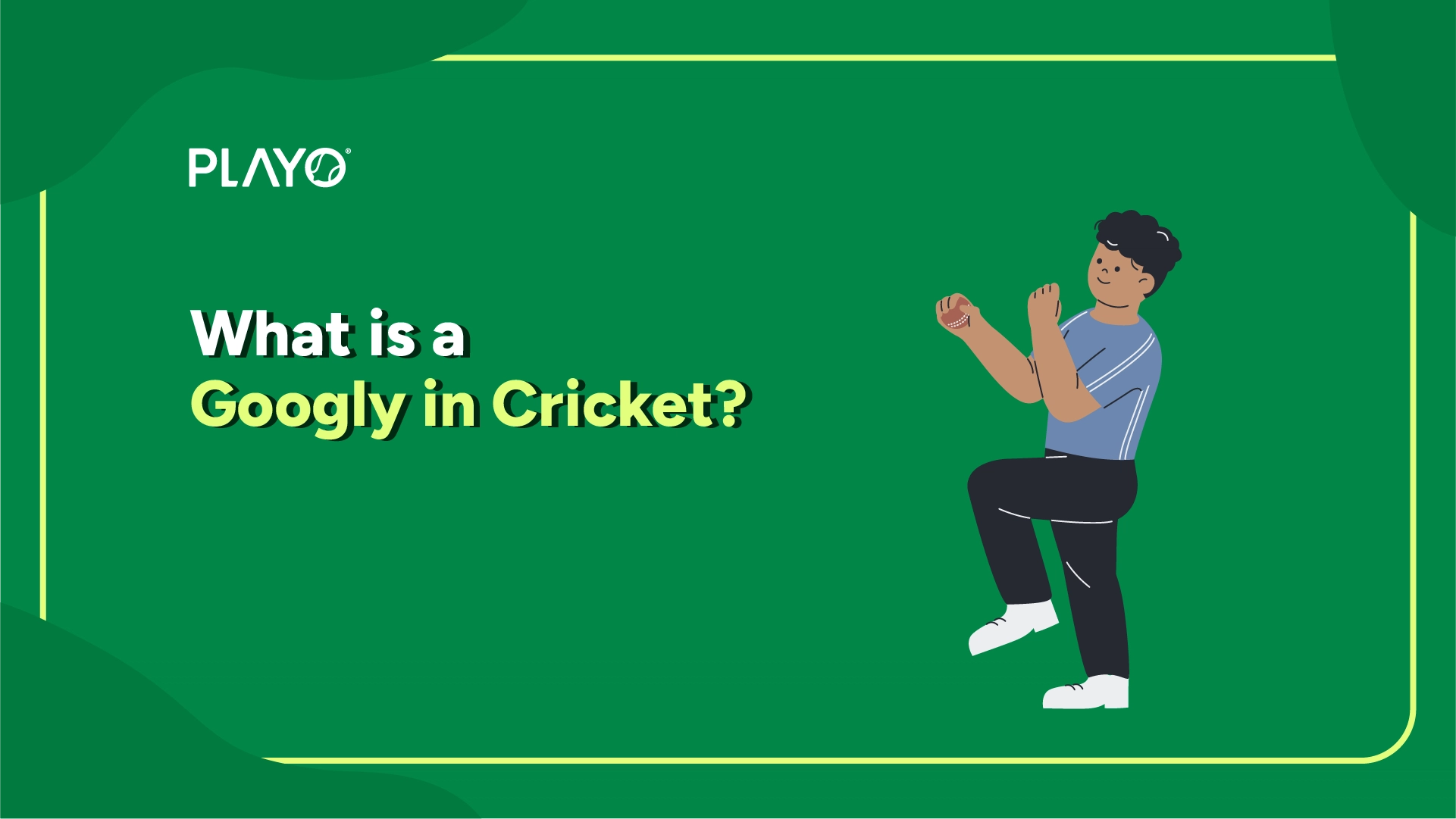


A googly in cricket is one of the most deceptive deliveries in a leg-spinner’s arsenal. It is bowled with an action similar to a conventional leg-break but turns in the opposite direction after pitching, making it difficult for the batter to read. For a right-handed batter, a googly generally moves from the off side towards the leg side, unlike a regular leg-break.
The effectiveness of a googly comes from its deception and change of direction. By maintaining a similar run-up, bowling action and release, the bowler can disguise the variation until the ball is in flight. If the batter fails to pick it correctly, the googly can beat the outside or inside edge, strike the pads or crash into the stumps.
What is a Googly in Cricket?
A googly is a type of spin delivery bowled by a leg-spinner. It is also commonly called a wrong’un because the ball behaves differently from the direction a batter expects from a conventional leg-break.
For a right-arm leg-spinner bowling to a right-handed batter, a normal leg-break typically moves from the leg side towards the off side after pitching. A googly moves in the opposite direction, from the off side towards the leg side.
The deception comes from the bowler maintaining a similar action while changing the way the ball is released. Since the batter may expect the usual leg-break, the change in direction can make the delivery particularly difficult to play.
How Does a Googly Work?
A googly works by changing the wrist position, hand orientation and release used by the leg-spinner while maintaining a bowling action that looks similar to a regular leg-break.
During a conventional leg-break, the spinner rotates the ball in a way that produces the expected movement away from a right-handed batter. When bowling a googly, the bowler changes the direction of the ball’s rotation. Once the ball lands on the pitch, friction between the ball and the surface causes it to deviate according to its spin. The amount of movement depends on factors such as the bowler’s spin, release, pitch conditions and the point at which the ball lands.
The effectiveness of a googly therefore does not depend only on the amount it turns. The deception before the ball pitches is equally important.
How to Bowl a Googly
Learning to bowl a googly requires control over wrist position, finger placement and the release of the ball. A leg-spinner usually develops the delivery alongside the conventional leg-break rather than treating it as a completely separate bowling action. Here is a basic breakdown of the process:
1. Use a Similar Run-Up
The bowler should maintain a run-up that is similar to their normal leg-break. A noticeable change in speed or approach can alert the batter that a variation is coming.
2. Maintain a Similar Bowling Action
The arm path and body movement should remain as consistent as possible. This helps disguise the delivery and prevents the batter from identifying the googly before release.
3. Adjust the Wrist Position
The wrist position is one of the most important parts of bowling a googly. The bowler changes the orientation of the wrist and hand to produce the opposite direction of rotation compared with a conventional leg-break.
4. Release the Ball Correctly
At release, the bowler imparts the required spin while keeping the action as natural as possible. The fingers and wrist work together to create the rotation that causes the ball to turn in the opposite direction.
5. Focus on Length and Line
Spin alone does not make a googly effective. The bowler needs to land it in a good area, often around the batter’s off-stump or outside off stump, depending on the intended line and the batter’s position. A poorly controlled googly that turns too little or lands too far outside the batter’s reach may simply be left alone or driven.
Googly vs Leg-Break
The main difference between a googly and a leg-break is the direction in which the ball turns after pitching. The exact amount and direction of movement can vary depending on the bowler’s technique, release and pitch conditions.
| Feature | Leg-Break | Googly |
| Bowled by | Leg-spinner | Leg-spinner |
| Main characteristic | Conventional leg-spin | Deceptive variation |
| Direction for a right-handed batter | Generally leg side to off side | Generally off side to leg side |
| Purpose | Attack with conventional leg-spin | Surprise the batter |
| Deception | Expected spin direction | Opposite spin direction |
Why is the Googly Difficult to Face?
A googly is difficult because the batter has very little time to react after the ball is released. The bowler attempts to make the delivery look like a conventional leg-break until the ball is already in flight. If the batter commits to a shot based on the expected direction of the leg-break, the ball can move the other way after pitching. This can result in an edge, bowled dismissal or leg before wicket.
The challenge becomes even greater when the bowler can deliver the googly and leg-break with similar pace, flight and arm action.
How Can Batters Identify a Googly?
Experienced batters do not rely on a single clue to identify a googly. They may watch the bowler’s wrist, hand, release point and overall action while also judging the trajectory of the ball.
Some common cues include:
- Wrist position: A subtle change in wrist orientation may reveal the variation.
- Release: The position and rotation of the hand can provide a clue.
- Trajectory: The flight of the ball can sometimes help a batter assess its likely movement.
- Bowler’s action: Experienced batters study the bowler’s action to identify differences between a leg-break and a googly.
- Pitching point: Once the ball pitches, its initial movement can confirm which delivery has been bowled.
However, skilled leg-spinners deliberately minimise these differences, which makes the googly harder to read.
When Should a Bowler Use a Googly?
A googly is generally most effective when used as a variation rather than on every delivery. If a bowler repeatedly bowls googlies, the batter can begin to anticipate them.
A spinner may use the delivery when the batter is settled, particularly after establishing a pattern with conventional leg-breaks. The sudden change in direction can force the batter to reconsider their shot selection. The googly can also be useful when attacking the stumps because the inward movement can bring the batter’s pads and stumps into play.
Googly Bowling in Different Match Situations
The effectiveness of a googly can depend on the match situation, pitch and batter.
- Against an Aggressive Batter: An aggressive batter may try to attack a spinner by playing shots across the line or using the feet. A well-disguised googly can exploit this attacking approach by moving in the opposite direction to the expected delivery.
- Against a Defensive Batter: A googly can also be used against a batter who is defending carefully. If the batter expects a leg-break and plays for the wrong line, the delivery can sneak through the defence.
- When Attacking the Stumps: Because the googly generally turns towards a right-handed batter, it can be particularly useful when the bowler is looking for bowled or LBW opportunities.
Famous Bowlers Known for the Googly
The googly has been an important part of leg-spin bowling for generations. Several international bowlers have become famous for their ability to disguise and execute the delivery.
Bernard Bosanquet is widely credited with developing the googly during the early 20th century. The delivery later became an important weapon for many prominent leg-spinners.
Bowlers such as Shane Warne, Anil Kumble and Abdul Qadir were known for their variations and ability to deceive batters with spin. Modern leg-spinners continue to use the googly as an important part of their bowling repertoire.
Common Mistakes When Bowling a Googly
Developing a googly can take considerable practice because the bowler has to create the required spin without making the action obvious. Common mistakes include:
- Changing the Entire Bowling Action: If the action looks noticeably different from the normal leg-break, the batter may recognise the variation early.
- Focusing Only on Spin: Generating significant spin is useful, but control is equally important. A delivery that spins sharply but lands outside a good attacking area may not create a meaningful opportunity.
- Bowling It Too Frequently: The googly works partly because it is unexpected. Using it too often can make the variation predictable.
- Losing Line and Length: Even a well-disguised googly can be ineffective if it is too short, too full or too wide. Accuracy should remain a priority.
Googly Bowling Tips for Beginners
- Master the leg-break first: Develop a consistent leg-break before adding the googly to your bowling variations.
- Maintain a consistent action: Practise keeping the same run-up, arm action and body movement for both deliveries so the googly is harder to read.
- Work on wrist and finger movement: Focus on developing the correct wrist position and finger control to generate the required spin.
- Practise accuracy: Use a target area on the pitch and focus on landing the googly consistently rather than only trying to maximise the amount of turn.
- Compare both deliveries: Record your bowling sessions or work with a coach to compare your leg-break and googly. The goal is to make both deliveries look as similar as possible until the point of release.
Conclusion
A googly in cricket is a deceptive leg-spin delivery that turns in the opposite direction to a conventional leg-break. Its effectiveness comes from combining spin, accuracy and deception, making it difficult for batters to predict the ball’s movement before it pitches.
For bowlers, mastering the googly requires consistent practice, controlled wrist movement and the ability to disguise the delivery. For batters, recognising the clues in the bowler’s release and staying balanced until the ball pitches can help reduce the risk of being deceived. When executed well, the googly remains one of the most effective variations available to a leg-spinner.
Download Playo on Android or iOS, or visit playo.co to start playing!
Frequently Asked Questions
A googly is a leg-spin delivery that turns in the opposite direction to a conventional leg-break after pitching.
A googly is generally bowled by a leg-spinner as a variation of the conventional leg-break.
It is called a wrong’un because the ball behaves in the opposite direction to what the batter normally expects from a leg-spinner’s delivery.
Yes. It requires good control of wrist position, release and spin while maintaining an action similar to the regular leg-break.
A leg-break and a googly turn in opposite directions for the same type of batter. The googly is specifically designed to deceive the batter by producing unexpected movement.
A batter can study the bowler’s wrist, hand position, release and trajectory. Experienced batters also analyse the bowler’s action to identify subtle differences between deliveries.