

The history of cricket is filled with memorable centuries and dramatic finishes, but massive sixes remain among the sport’s most replayed moments. A giant six showcases a batter’s ability to generate extraordinary bat speed while maintaining perfect timing and balance. Over time, improvements in bat technology, player fitness, and aggressive batting approaches have resulted in increasingly longer sixes across formats. Players like Shahid Afridi, Chris Gayle, and Yuvraj Singh became global stars partly because of their ability to clear boundaries effortlessly. This article revisits the top 10 longest sixes in cricket history and explains the science behind these incredible shots.
1. Shahid Afridi (Pakistan) – 153 Meters
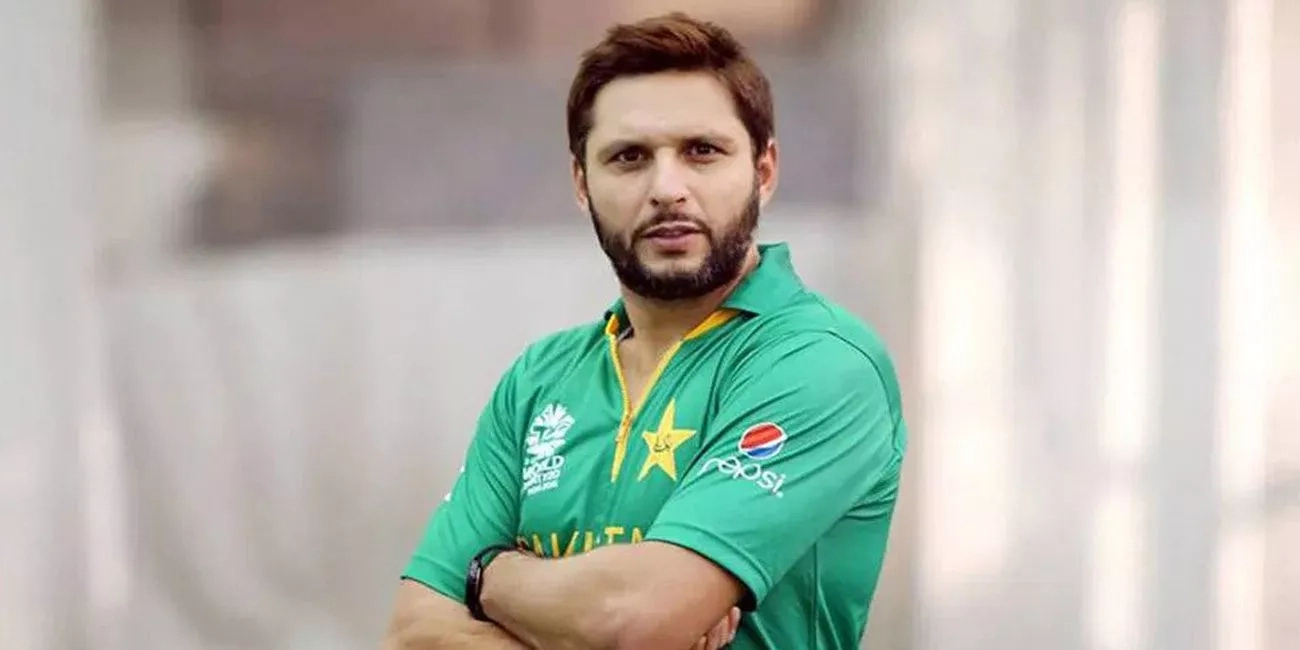
Shahid Afridi’s 153-meter six against South Africa in a 2013 ODI at Johannesburg’s Wanderers Stadium remains the longest verified six in international cricket. Facing Ryan McLaren, Afridi launched the ball over long-on with immense force, clearing the stands entirely before landing near the stadium parking area. Johannesburg’s high altitude significantly reduced air resistance, helping the ball travel farther than usual. The moment instantly became one of cricket’s most iconic power-hitting displays.
The context behind the shot made it even more memorable. McLaren had celebrated what appeared to be Afridi’s dismissal moments earlier, only for the delivery to be called a no-ball. Afridi responded aggressively, using his trademark minimal backlift and explosive wrist snap to generate exceptional bat speed. Hawk-Eye technology reportedly verified the distance, and more than a decade later, no international player has officially surpassed the 153-meter mark.
2. Brett Lee (Australia) – 143 Meters
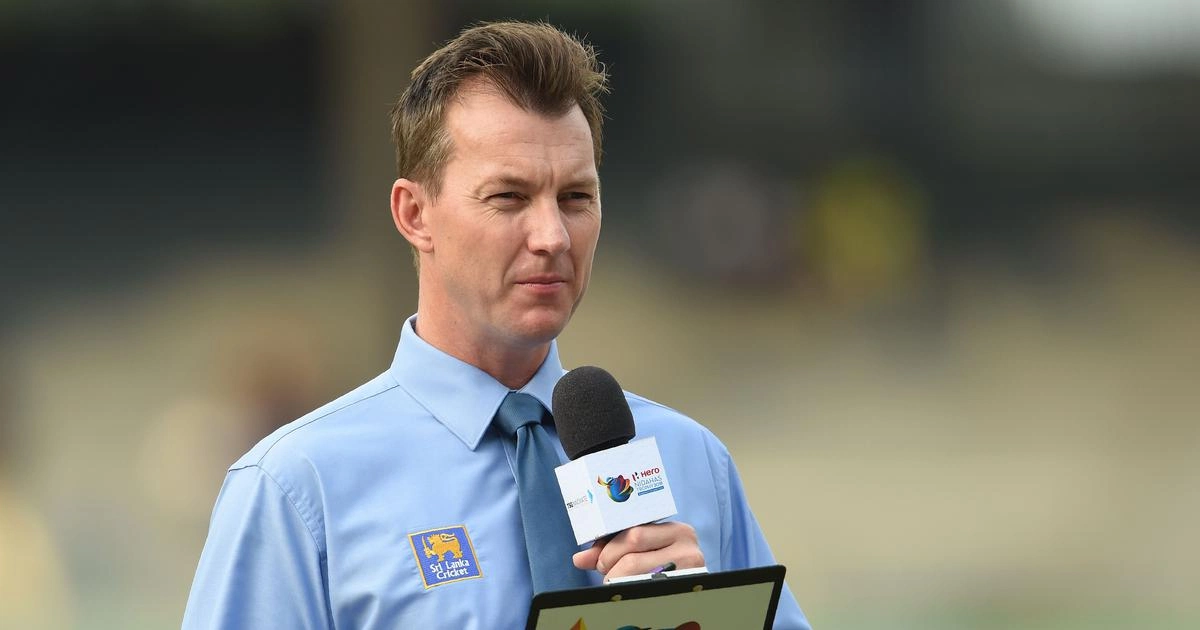
Brett Lee’s 143-meter six against the West Indies in a 2005 Test match at the Gabba remains one of cricket’s most unexpected power-hitting moments. Primarily known as one of the fastest bowlers in cricket history, Lee stunned fans by smashing Darren Powell over deep square leg with incredible force. The Gabba’s large boundaries made the shot even more remarkable because it required genuine power rather than assistance from smaller dimensions.
Unlike specialist batters who rely heavily on refined technique, Lee’s shot came through raw strength and aggressive intent. The six highlighted his athleticism and ability to contribute beyond fast bowling. Verified through broadcast tracking systems, the 143-meter strike still stands as the longest recorded six by a specialist bowler in international cricket and remains a rare moment of explosive hitting in Test cricket.
3. Martin Guptill (New Zealand) – 127 Meters
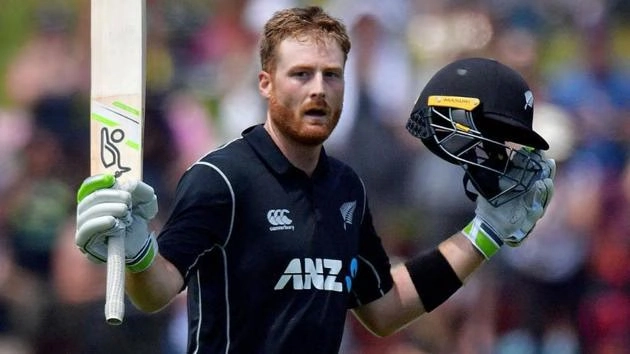
Martin Guptill’s 127-meter six against South Africa during a 2012 T20I in Wellington produced one of the most visually unforgettable moments in cricket. Facing Lonwabo Tsotsobe, Guptill timed a pull shot perfectly, sending the ball soaring high into the night sky before it crashed into the stadium roof. The clean connection and immense distance immediately turned the shot into a viral highlight among cricket fans.
Although Wellington’s Westpac Stadium featured relatively compact dimensions, the measured distance reflected genuine power and timing. Guptill’s batting technique emphasised early weight transfer and strong top-hand control, helping him consistently clear boundaries. The roof impact provided undeniable visual proof of the shot’s magnitude, making it one of the most replayed sixes in T20 cricket history.
4. Liam Livingstone (England) – 122 Meters
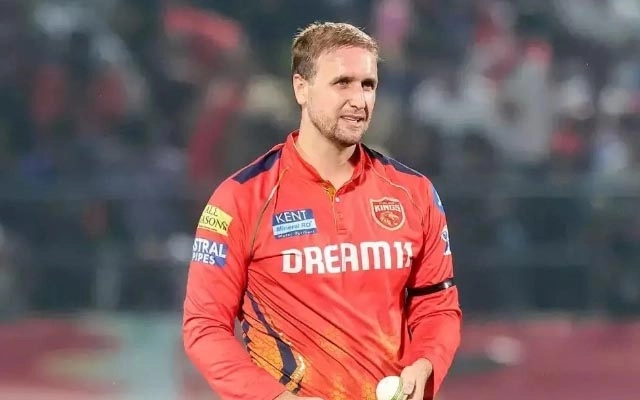
Liam Livingstone’s 122-meter six against Pakistan in a 2021 T20I at Headingley showcased the modern evolution of power-hitting. Standing at 6’2”, Livingstone used his strong frame and leverage to smash Haris Rauf’s delivery far beyond the boundary over long-on. Hawk-Eye technology confirmed the distance, highlighting the accuracy of modern six-measurement systems in international cricket.
The six came during Livingstone’s explosive 42-ball century, one of England’s fastest T20I hundreds. Known as a “360-degree” batter, Livingstone combines innovation with raw power, allowing him to clear boundaries from almost any angle. His performance reflected the growing importance of specialised power-hitters in T20 cricket, where boundary-hitting ability has become a major tactical advantage.
5. Corey Anderson (New Zealand) – 122 Meters
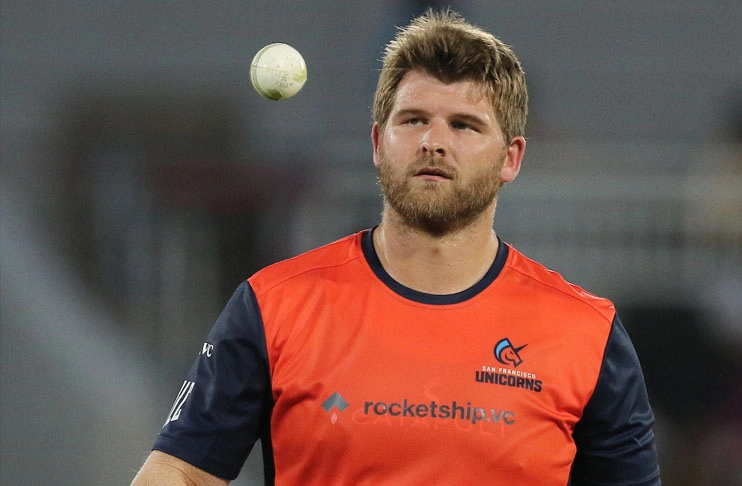
Corey Anderson’s 122-meter six against India in a 2014 ODI at Napier highlighted New Zealand’s aggressive batting transformation during the 2010s. Facing Mohammed Shami, Anderson cleared his front leg aggressively and struck through the line with exceptional bat speed. The shot perfectly matched Anderson’s reputation as one of cricket’s fastest-scoring all-rounders.
Anderson’s batting relied heavily on lower-body strength and full extension through impact, helping him convert even quality pace deliveries into boundary opportunities. Although Napier’s smaller boundaries supported aggressive batting, Hawk-Eye tracking verified the genuine distance of the hit. The six reinforced Anderson’s value in limited-overs cricket, where his explosive hitting made him a dangerous middle-order presence.
6. Mark Waugh (Australia) – 120 Meters
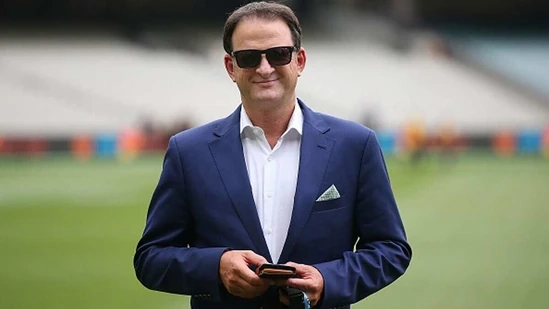
Mark Waugh’s 120-meter six against New Zealand during a 1997 Test match at the WACA Ground remains one of the rare examples of giant hitting in traditional Test cricket. Facing spinner Daniel Vettori, Waugh executed a beautifully timed pull shot that took advantage of the WACA’s fast bounce and shorter square boundaries. The strike challenged the belief that Test cricket only rewards patience and defensive batting.
Waugh was primarily known for elegance and timing rather than brute force, making this six especially memorable. His precise contact point and smooth technique maximised energy transfer without requiring excessive effort. Verified through broadcast analysis, the shot remains one of the longest sixes ever recorded in Test cricket and demonstrated how technical excellence can produce extraordinary hitting power.
7. Yuvraj Singh (India) – 119 Meters
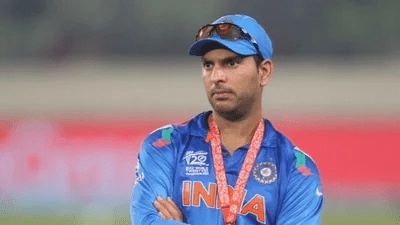
Yuvraj Singh’s 119-meter six against Australia during the 2007 ICC T20 World Cup semi-final became one of the defining moments of India’s title-winning campaign. Facing Brett Lee, one of the fastest bowlers in the world, Yuvraj leaned into the shot confidently and sent the ball soaring over deep midwicket. The strike showcased his ability to combine timing, balance, and aggressive intent against extreme pace.
The six added to Yuvraj’s incredible 2007 T20 World Cup performances, which also included his famous six sixes against Stuart Broad earlier in the tournament. His fearless batting style played a crucial role in India’s success and transformed him into one of cricket’s most dangerous white-ball batters. The 119-meter strike remains among the longest and most iconic sixes hit by an Indian player.
8. MS Dhoni (India) – 118 Meters
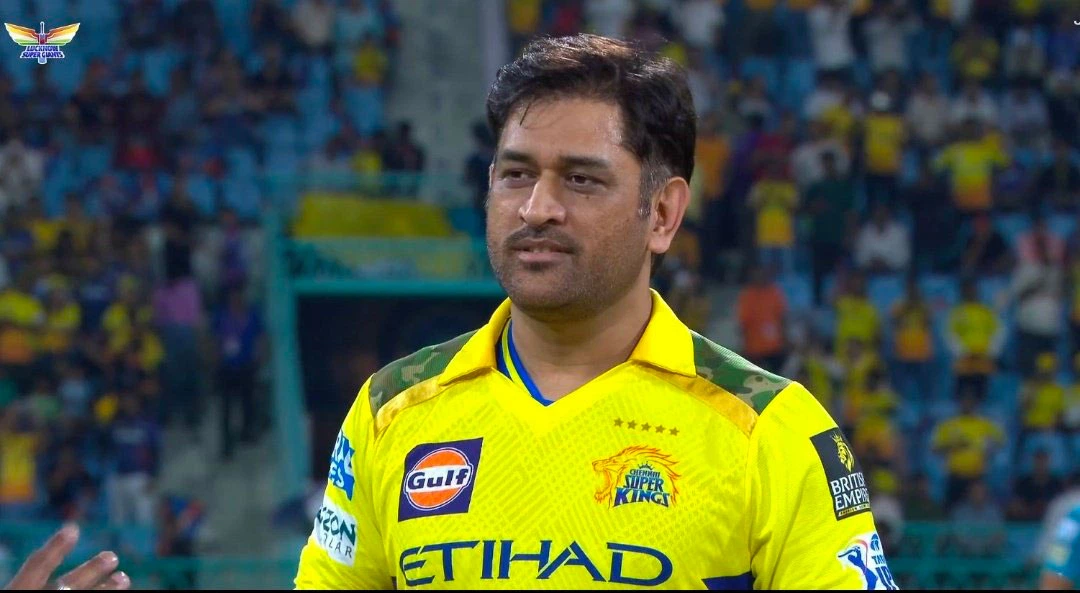
MS Dhoni’s 118-meter six against New Zealand in a 2009 ODI at Christchurch combined immense power with trademark composure. Facing Daniel Vettori, Dhoni appeared to glance away after making clean contact while still timing the ball perfectly over long-on. Broadcast tracking systems later measured the massive distance, making it one of the longest sixes in Indian cricket history.
Unlike many power-hitters who rely purely on upper-body strength, Dhoni generated power through strong lower-body rotation and explosive wrist work. The shot reflected his calm mindset and ability to dominate under pressure. It also helped Dhoni equal Shahid Afridi’s record for most international sixes at the time, further cementing his reputation as one of cricket’s greatest finishers.
9. Shahid Afridi (Pakistan) – 118 Meters
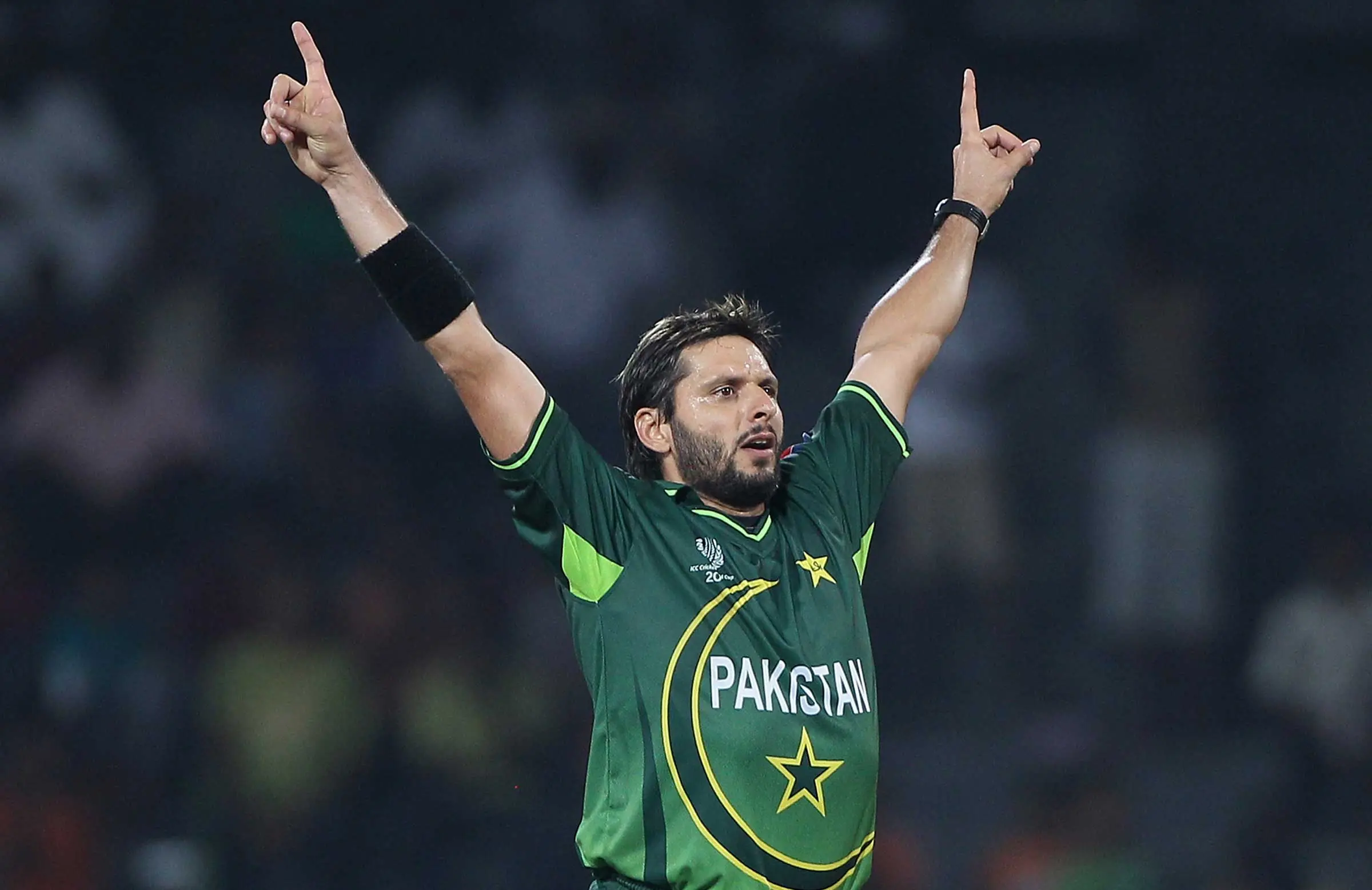
Shahid Afridi appears twice on the list of cricket’s longest sixes, underlining his reputation as one of the sport’s greatest power-hitters. His 118-meter six against Australia in a 2005 ODI at Johannesburg came off Shane Watson and showcased his trademark aggressive style. Afridi’s unorthodox technique relied on minimal backlift, explosive bat speed, and strong wrist action.
Johannesburg’s high altitude again played a role by reducing air resistance and helping the ball travel farther. Afridi’s mindset as an attacking finisher meant he constantly looked for boundaries rather than strike rotation. While critics often questioned his consistency, his ability to clear boundaries effortlessly earned him the iconic “Boom Boom” nickname and made him one of cricket’s most entertaining batters.
10. Chris Gayle (West Indies) – 116 Meters
![Chris Gayle]](https://blog.playo.co/wp-content/uploads/2026/05/Chris-Gayle.webp)
Chris Gayle’s 116-meter six against India during the 2010 ICC T20 World Cup in Barbados perfectly captured his reputation as the “Universe Boss.” Facing Yusuf Pathan, Gayle used his strong build and compact swing to launch the ball deep over long-on with minimal effort. The shot demonstrated his ability to generate massive bat speed without relying on exaggerated movement.
Gayle’s six contributed to West Indies’ aggressive batting strategy during the tournament and reflected his dominance in T20 cricket. Known for consistently clearing boundaries against both pace and spin, Gayle became one of the most feared hitters in cricket history. His 116-meter strike remains one of several monumental sixes that defined his legendary white-ball career.
How Six Distances Are Measured
Modern cricket uses advanced Hawk-Eye technology to calculate six distances with high accuracy. Multiple high-speed cameras track the ball’s movement in three-dimensional space from the moment it leaves the bat. Systems also measure exit velocity, the speed generated at bat-ball impact, which can range from 120–160 km/h for powerful shots. Launch angle analysis helps determine the ideal launch angle for maximum distance, typically between 25 and 35 degrees.
Several external factors are also considered before the final distance is projected. Stadium mapping software accounts for boundary dimensions, elevation changes, and obstacles such as roofs or stands. Environmental conditions like altitude, humidity, temperature, and wind speed can further influence how far the ball travels. The final distance represents the theoretical flight path from the point of contact to the projected landing area rather than the actual bounce or ground carry, ensuring consistency across venues and cricket formats.
Conclusion
The longest sixes in cricket history remain iconic because they combine technical precision, physical power, and unforgettable match moments. Shahid Afridi’s 153-meter strike against South Africa continues to stand as the benchmark for international cricket’s biggest hit, while players like Brett Lee, Yuvraj Singh, and Chris Gayle have also produced remarkable displays of power-hitting. These shots demonstrate how factors like altitude, launch angle, bat speed, and timing can dramatically influence distance. As T20 cricket continues to encourage aggressive batting and modern training methods improve player strength, the possibility of breaking existing six-distance records becomes increasingly realistic in the coming years.
Download Playo on Android or iOS, or visit playo.co to start playing!
Frequently Asked Questions
Shahid Afridi holds the record for the longest six in international cricket with a reported 153-meter strike against South Africa in a 2013 ODI at Johannesburg.
Modern cricket uses technologies like Hawk-Eye and ball-tracking systems that calculate exit velocity, launch angle, trajectory, and projected landing distance.
Yuvraj Singh’s 119-meter six against Australia during the 2007 ICC T20 World Cup is among the longest sixes hit by an Indian cricketer.
Yes, Australian fast bowler Brett Lee smashed a 143-meter six against the West Indies in a 2005 Test match at the Gabba.