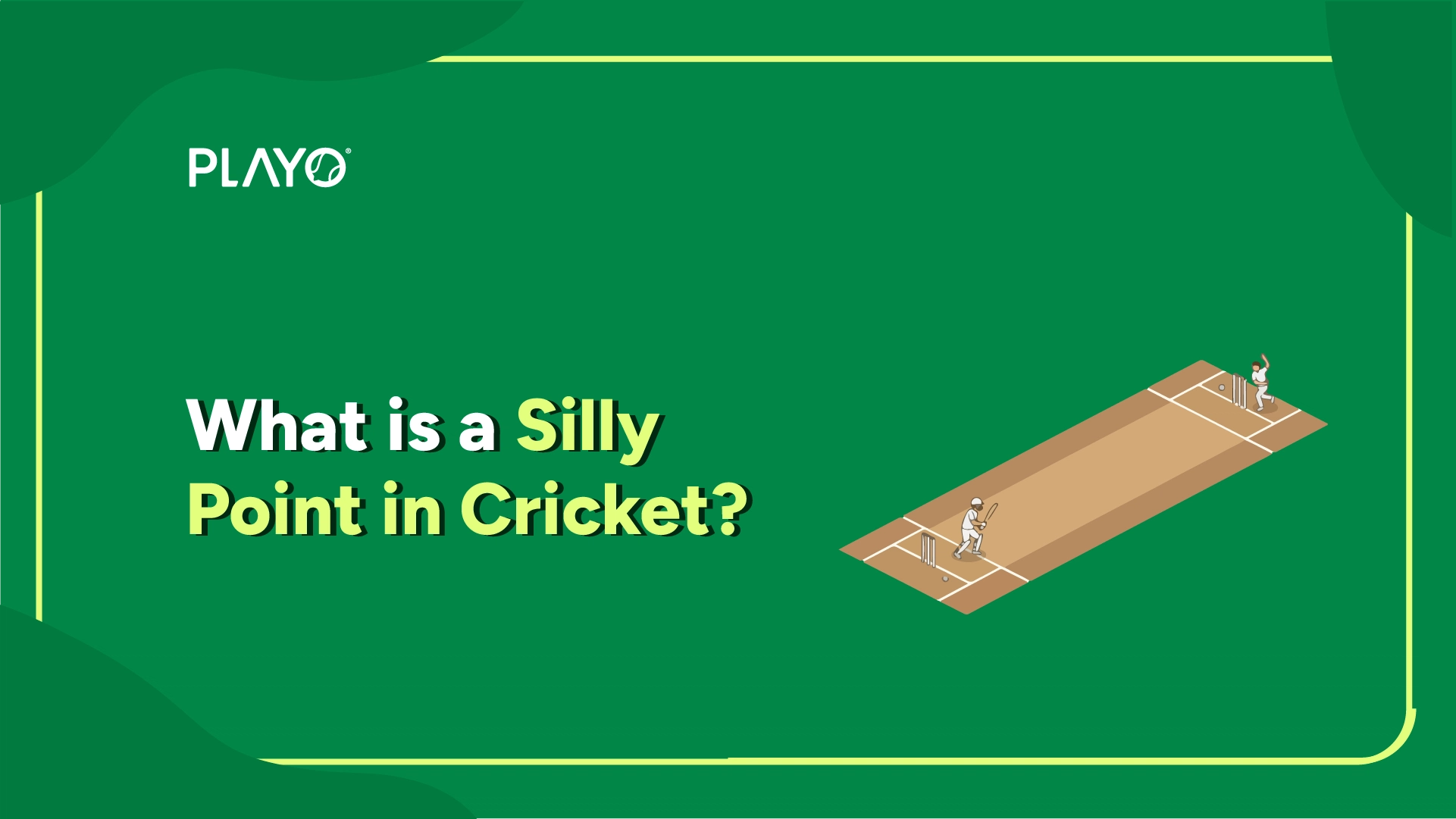


Cricket has many unique fielding terms, but few sound as unusual as “silly point.” While the name may seem funny to new fans, silly point is actually one of the bravest and most challenging positions in cricket. A fielder at silly point stands extremely close to the batter on the off side, usually just a few feet away from the bat, waiting to catch soft edges, bat-pad deflections, or defensive shots that pop into the air. The position demands lightning-fast reflexes, courage, concentration, and complete fearlessness because the ball can reach the fielder in a split second.
The word “point” refers to the traditional point region on the off side, while “silly” comes from the risky nature of standing so dangerously close to the batter. Used mainly against spin bowlers, especially in Test cricket, the silly point is an attacking fielding position designed to create pressure and produce wicket-taking chances. In this blog, we explain what a silly point means in cricket, why it is called “silly,” where the fielder stands, why captains use this position, and which cricketers have mastered this risky role.
Where Does a Silly Point Fielder Stand?
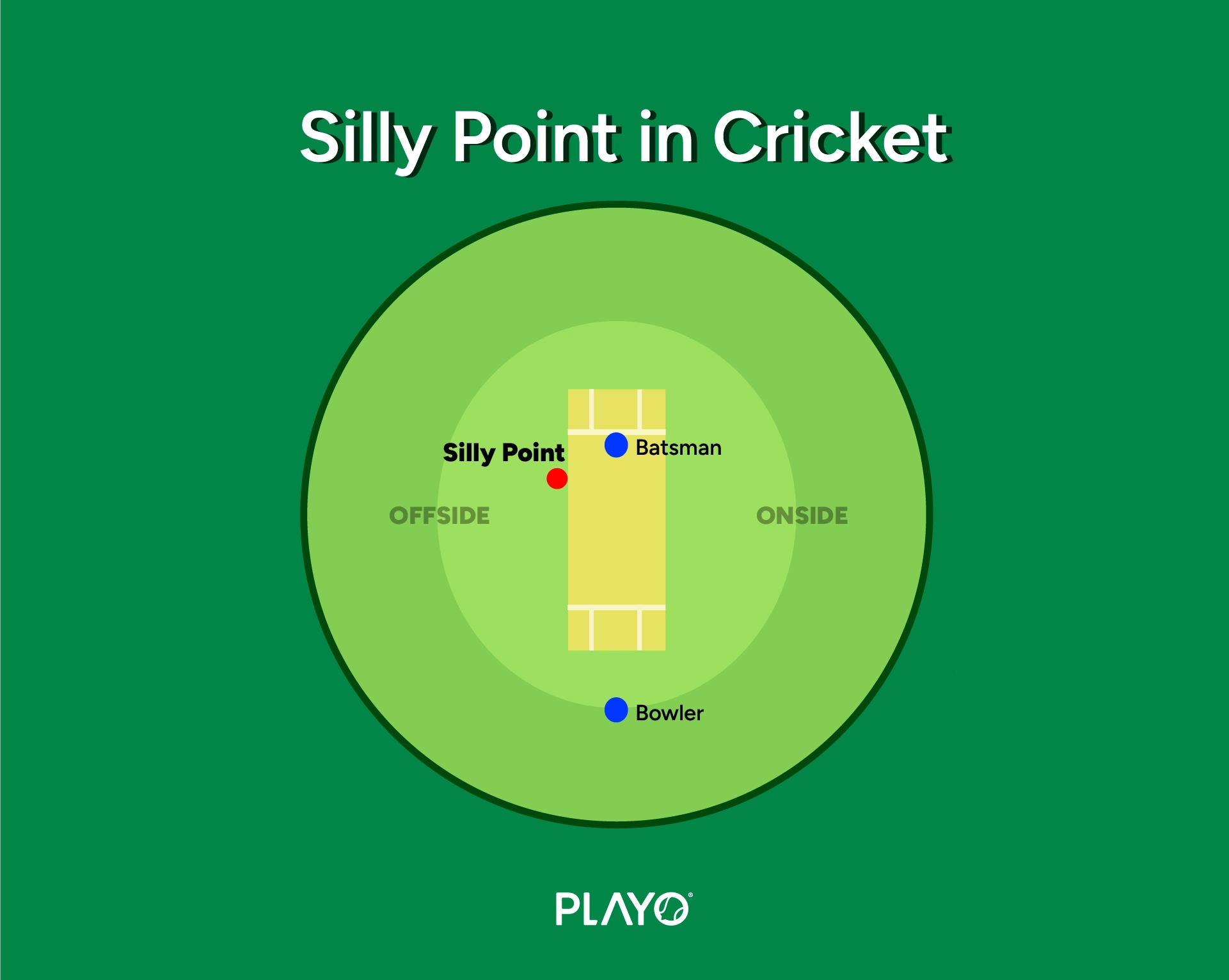
A silly point fielder stands in a specific zone designed to maximise catching chances while managing risk:
- On the off side of the batter
- Very close to the batting crease, typically 3 to 6 feet away
- Slightly in front of the square, aligned with the batter’s arc
- In a low, balanced crouch with weight forward
Against a right-handed batter, the silly point fielder stands to the batter’s right side. Against a left-handed batter, the position adjusts to the new offside.
Because the fielder is so close, there is almost no reaction time when the ball comes off the bat. For this reason, players stationed at silly point wear protective gear including helmets, shin guards, chest guards and arm guards. Modern cricket has made this equipment essential for close-in fielders.
Why is it Called “Silly” Point?
The term “silly” in cricket is used for fielding positions that are extremely close to the batter. Historically, standing just a few feet away from a player swinging a hard wooden bat at a leather ball was considered reckless or “silly,” especially during the early days of cricket when protective helmets and modern safety gear did not exist. Fielders in these positions relied purely on courage, reflexes, and instinct to avoid injury while attempting catches.
Cricket eventually adopted the word “silly” as an official part of its fielding terminology, leading to positions such as silly point, silly mid-on, silly mid-off, and silly mid-wicket. All these roles involve standing dangerously close to the batter in hopes of catching soft edges or bat-pad deflections. Over time, the name became one of cricket’s most iconic and recognisable terms, reflecting both the risk and bravery associated with close-in fielding positions.
What is the Role of a Silly Point Fielder?
The primary job of a silly point fielder is to take close catches. This position is especially effective when spin bowlers are operating because spin creates uncertainty, bounce, and inside or outside edges. A batter defending against spin may accidentally lob the ball softly toward the silly point region.
The fielder must react instantly because the ball reaches them in fractions of a second. Beyond catching, a silly point fielder also helps by putting mental pressure on the batter, preventing soft singles, encouraging false defensive shots, and supporting spin bowlers during attacking phases. Captains often place a silly point when they want wickets rather than defensive control.
Why is Silly Point Mostly Used Against Spin Bowling?
Fast bowlers rarely use a silly point because the ball reaches the batter too quickly, making it unsafe for the fielder and reducing the chances of a catchable edge. Against pace bowling, edges usually travel quickly toward the slips or wicketkeeper instead of popping up near the bat. Batters also tend to play more attacking shots against fast bowlers, making close-in catching positions less practical.
Spin bowlers, however, create slower deliveries with turn, bounce, drift, and dip, forcing batters to play cautious defensive shots. These shots can produce soft edges, glove touches, or bat-pad deflections that briefly hang in the air close to the batter, making the silly point highly effective. On turning pitches in countries like India or Sri Lanka, captains often use silly point alongside other close-in fielders to build pressure, support spinners, and force mistakes. Legendary spinners have frequently relied on such attacking field placements to break important partnerships and create wicket-taking opportunities.
Is Silly Point the Most Dangerous Position in Cricket?
Many cricket fans and players consider the silly point one of the most dangerous fielding positions in cricket because the fielder stands only a few feet away from the batter. A firmly struck shot can hit the body or helmet instantly, leaving almost no reaction time. Even defensive shots can travel unexpectedly fast toward the fielder, especially on pitches offering uneven bounce or sharp turns.
Unlike outfielders who can judge the ball from a distance, a silly point fielder relies heavily on reflexes, anticipation, concentration, and courage. That is why close-in fielders wear helmets, shin guards, chest guards, and arm protection. Even with safety gear, the position remains physically demanding and mentally intense, but it also offers opportunities for spectacular reflex catches. Players fielding at silly point must stay alert throughout every delivery, as even a moment of distraction can easily result in injury or a missed chance.
Difference Between Silly Point and Short Leg
Many beginners confuse a silly point with a short leg because both are close-catching positions. Both positions are used mainly in Test cricket and are part of aggressive field settings. Here is the difference:
| Position | Side of Batter | Purpose |
| Silly Point | Off side | Catch defensive edges against spin |
| Short Leg | Leg side | Catch bat-pad deflections and inside edges |
Famous Cricketers Known for Fielding at Silly Point
Over the years, several cricketers have earned a reputation for excelling in close-in fielding positions like silly point and short leg. These roles require far more than bravery, as fielders must anticipate the batter’s movement, react instantly, and maintain complete concentration for long periods. Legendary names associated with close-in fielding include Eknath Solkar, Rahul Dravid, Ravindra Jadeja, Faf du Plessis, and Mark Waugh, all of whom were known for their sharp reflexes and safe hands near the bat.
Eknath Solkar is widely regarded as one of cricket’s greatest close-in fielders because of his extraordinary reflex catches while supporting India’s spin attack in the 1960s and 1970s. In modern cricket, players like Ravindra Jadeja continue to showcase how valuable close-in fielders can be, especially on turning pitches where spinners rely heavily on bat-pad chances. A brilliant catch at silly point can instantly change the momentum of a Test match, which is why captains still place their most alert and athletic fielders in these risky positions.
Does Silly Point Exist in T20 Cricket?
Silly point is much less common in T20 cricket because modern batters play aggressive and unconventional shots far more frequently than in Test cricket. Standing extremely close to the batter becomes riskier in shorter formats, especially when players regularly attempt sweeps, reverse sweeps, lofted drives, and power hits from the very first ball. Captains also prefer spreading fielders across the boundary to stop quick runs and big shots rather than crowding the batter with close catchers.
However, silly points still appear occasionally in T20 cricket under specific conditions. Captains may use the position during power plays, against defensive batters struggling against spin, or on slow pitches where the ball grips and turns sharply. Some teams also place a silly point temporarily to disrupt a batter’s rhythm or create psychological pressure. Despite these tactical uses, the position remains far more common in Test cricket, where patience, defensive batting, and close-catching strategies play a much bigger role in taking wickets.
Conclusion
Silly point is one of cricket’s most iconic and fearless fielding positions. Positioned dangerously close to the batter on the off side, the role is designed to create wicket-taking opportunities, especially against spin bowling.
Although the name may sound funny, there is nothing amusing about the courage required to stand there. A good, silly point fielder combines sharp reflexes, anticipation, bravery and concentration to help their team gain crucial breakthroughs. The next time you watch a Test match and notice a player standing just a few feet from the batter, remember that you are looking at one of cricket’s toughest jobs.
Frequently Asked Questions
The silly point position is a close-catching fielding position on the off side of the batter, usually located just a few feet away from the bat and slightly in front of square. It is mainly used against spin bowlers to catch soft edges, bat-pad deflections, or defensive shots that pop into the air.
It is called “silly point” because the fielder stands dangerously close to the batter, which was once considered a “silly” or reckless risk, especially before protective gear existed. The word “point” refers to the off side fielding region where the player stands.
Silly point is a fielding position used in cricket. It is mainly seen in Test cricket and first-class matches, where fielders stand very close to the batter to catch edges or defensive shots, especially against spin bowling.
Captains use a silly point fielder to create pressure and take close catches against spin bowling. The position helps stop easy singles and increases the chances of catching soft edges or bat-pad deflections.