



Cricket is often described as a game of skill, patience, and strategy, but fast bowling brings an entirely different dimension to the sport. Over the years, bowling speeds have steadily increased, with modern pacers regularly crossing 145 km/h and elite fast bowlers breaching the 150 km/h mark.
At such extreme speeds, a batter has less than 0.5 seconds to react, making fast bowling one of the most challenging aspects of cricket. This combination of speed, skill, and pressure is what makes express pace so thrilling to watch. In this blog, we take a detailed look at the fastest balls in cricket history, the bowlers behind them, and the science and strategy that define extreme pace.
Who Bowled the Fastest Ball in Cricket History?
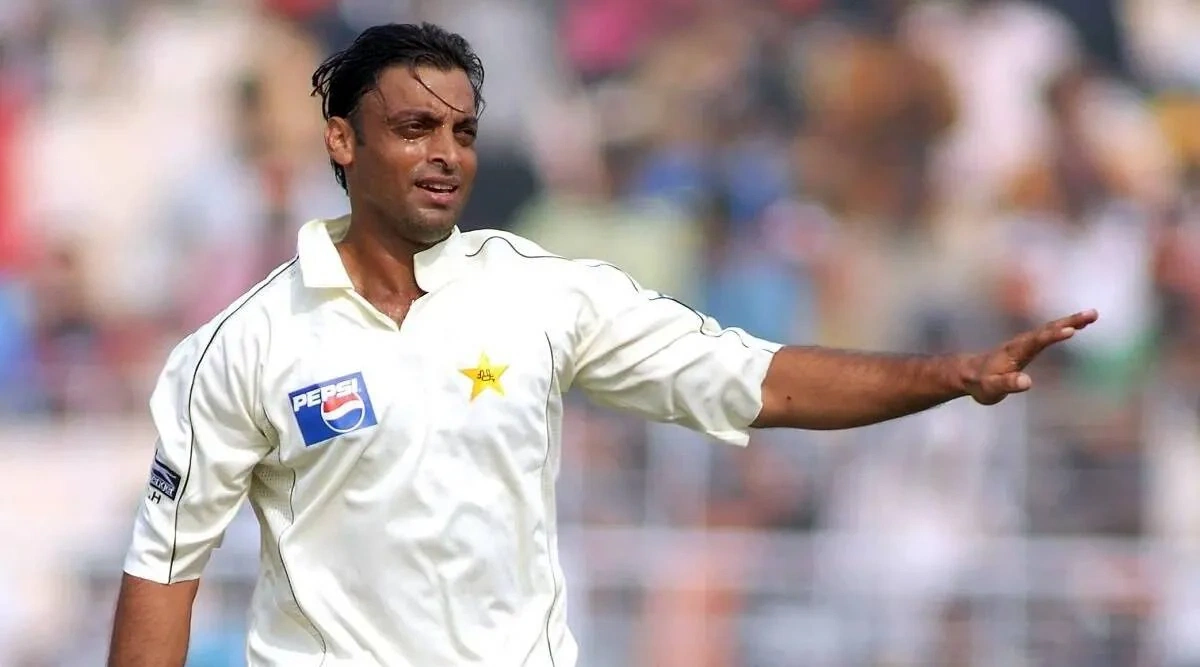
The record for the fastest ball in cricket history is held by Shoaib Akhtar. During the 2003 ICC Cricket World Cup, he delivered a ball at 161.3 km/h against England’s Nick Knight. This remains the fastest officially recorded delivery in international cricket.
What makes this achievement even more impressive is that Akhtar bowled multiple deliveries above 155 km/h during the same spell, showcasing not just peak speed but sustained pace. His ability to consistently operate at extreme speeds earned him the nickname Rawalpindi Express and made him one of the most feared fast bowlers of his era.
Despite advancements in training and technology, no bowler has officially surpassed this record to date.
Top 10 Fastest Balls in Cricket History
Bowling speeds above 155 km/h are extremely rare in international cricket, with only a handful of deliveries ever crossing the 160 km/h mark. The list below highlights the fastest officially recorded balls, along with the format and opposition.
| Rank | Bowler | Country | Speed (km/h) | Format | Year | Opponent |
| 1 | Shoaib Akhtar | Pakistan | 161.3 | ODI | 2003 | England |
| 2 | Shaun Tait | Australia | 161.1 | ODI | 2010 | England |
| 3 | Brett Lee | Australia | 161.1 | ODI | 2005 | New Zealand |
| 4 | Mitchell Starc | Australia | 160.4 | Test | 2015 | New Zealand |
| 5 | Mitchell Johnson | Australia | 156.8 | Test | 2013 | England |
| 6 | Mohammad Sami | Pakistan | 156.4 | ODI | 2003 | Zimbabwe |
| 7 | Shane Bond | New Zealand | 156.4 | ODI | 2003 | India |
| 8 | Fidel Edwards | West Indies | 157.7 | Test | 2003 | South Africa |
| 9 | Anrich Nortje | South Africa | 156.2 | ODI | 2020 | England |
| 10 | Umran Malik | India | 157.0 | T20I | 2022 | Sri Lanka |
Fastest Ball in IPL History

The Indian Premier League has become a key stage for fast bowlers, especially on batting-friendly pitches where pace can be a crucial weapon. The record for the fastest ball in IPL history is held by Shaun Tait, who clocked 157.71 km/h for the Rajasthan Royals in 2011. His slingy action and raw pace made him one of the quickest bowlers in the tournament’s history.
In recent seasons, Umran Malik has emerged as one of the fastest Indian bowlers, consistently delivering above 150 km/h and touching 157 km/h. Anrich Nortje has also been a standout, regularly operating in the 145–150 km/h range.
What makes the IPL unique is that bowlers must combine speed with control under pressure, making every high-speed delivery even more impactful.
Read More: Fastest Ball in IPL History
Fastest Ball in Women’s Cricket
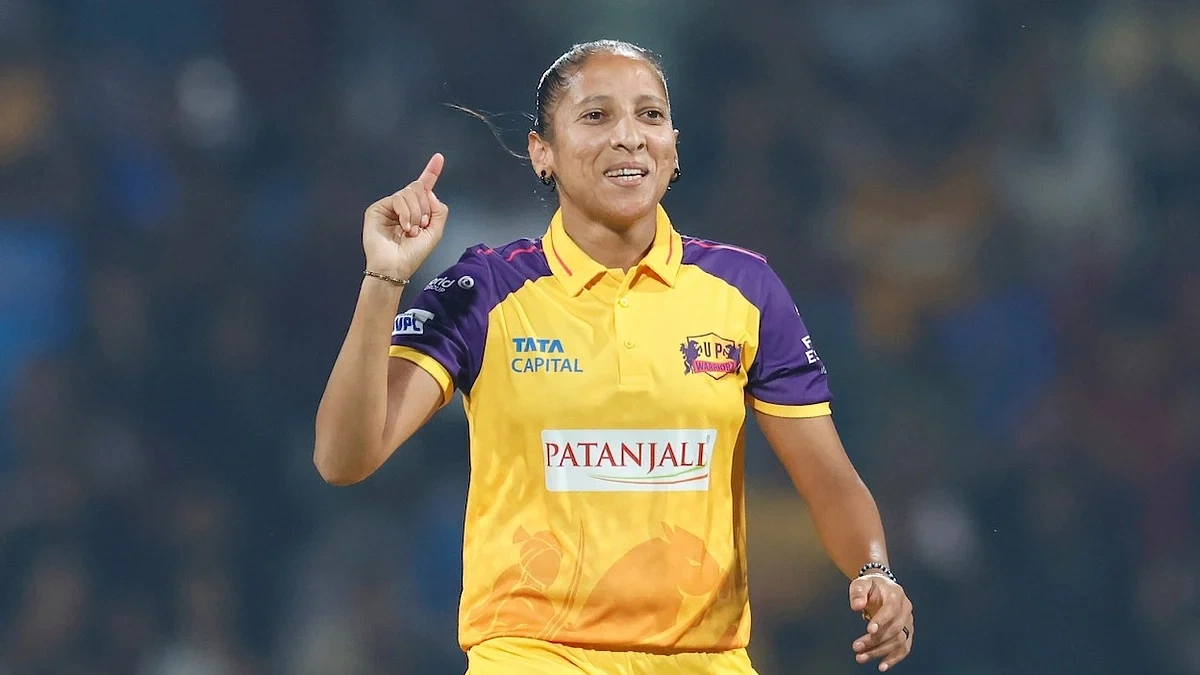
Women’s cricket has witnessed a steady rise in bowling speeds, driven by improved fitness, training methods, and professionalism. South Africa’s Shabnim Ismail holds the record for the fastest delivery in women’s cricket, clocking 132.1 km/h. She has consistently bowled at speeds above 120 km/h, setting a high benchmark for fast bowlers.
Players like Ellyse Perry and Jhulan Goswami have also played a major role in elevating pace standards, regularly operating in the 110–120 km/h range during their careers.
Although speeds are lower compared to men’s cricket, the gap is gradually narrowing. With advancements in strength training and biomechanics, women’s fast bowling is evolving rapidly, and higher speed milestones are expected in the near future.
What is Considered Fast in Cricket?
In modern cricket, bowling speeds are broadly categorised into different ranges.
The average fast bowler operates between 135 and 145 km/h. Bowlers consistently crossing 145 km/h are considered genuine fast bowlers, while those touching 150 km/h or more fall into the elite category of express pace.
Crossing 160 km/h is extremely rare and has only been achieved by a handful of bowlers in cricket history. It requires not only strength and speed but also exceptional biomechanics and conditioning.
Fastest Balls by Format: Test vs ODI vs T20
Bowling speeds vary significantly depending on the format of the game, as each format demands a different balance between endurance and intensity.
In Test cricket, fast bowlers typically operate in the 130 to 140 km/h range to sustain long spells over multiple days. While bowlers like Mitchell Starc have touched 160 km/h in Tests, maintaining such speeds consistently is physically demanding.
In One Day Internationals, bowlers generally operate between 135 and 145 km/h. The format allows them to maintain a balance between aggression and control, which is why many of the fastest deliveries in history have been recorded in ODIs.
How is Bowling Speed Measured in Cricket?
T20 cricket has seen the highest spike in bowling speeds. Bowlers like Anrich Nortje have averaged over 145 km/h in multiple spells and frequently touched 150 km/h. The shorter format allows bowlers to deliver at maximum intensity without worrying about long-term fatigue.
Modern cricket uses radar-based speed guns powered by Doppler technology to measure bowling speed. These devices calculate the velocity of the ball at the moment it leaves the bowler’s hand.
The speed displayed on television broadcasts represents the release speed, which is the highest speed the ball reaches during its trajectory. As the ball travels toward the batter, it slows down due to air resistance and friction with the pitch.
Studies suggest that a cricket ball can lose approximately 10 to 15 percent of its speed before reaching the batter.
Although modern speed guns are highly reliable, minor inaccuracies can still occur. Earlier eras lacked such technology, which is why recorded speeds from players like Jeff Thomson are often debated. There have also been instances of speed guns showing unrealistic readings, such as speeds exceeding 170 km/h, which were later identified as technical errors.
Evolution of Fast Bowling Speed
Fast bowling has evolved significantly over the decades.
In the 1970s and 1980s, bowlers like Jeff Thomson relied on natural pace and aggressive intent. However, the lack of modern speed measurement tools makes it difficult to compare their speeds accurately with modern players.
The introduction of radar guns in the late 1990s brought greater accuracy to speed measurement. Since then, improvements in fitness, training, and biomechanics have allowed more bowlers to consistently bowl at high speeds.
Today, fast bowlers benefit from advanced sports science, strength conditioning, and data-driven performance analysis, all of which contribute to higher and more consistent speeds.
The Science and Challenges Behind Extreme Pace
One of the biggest challenges of facing fast bowling is reaction time. At around 150 km/h, a cricket ball reaches the batter in roughly 0.45 seconds. Out of this, nearly 0.2 seconds are used by the brain to process the delivery, leaving very little time to react. This is why even top batters struggle against extreme pace, especially when it is combined with swing or seam movement.
Such speeds are made possible through efficient biomechanics. Nearly 70 percent of a bowler’s pace comes from the lower body and core. The run-up builds momentum, which is transferred through the legs, hips, and torso, before being released through the arm and wrist. This coordinated movement, known as the kinetic chain, is essential for generating high speeds.
However, bowling at such intensity places significant stress on the body. Fast bowlers are prone to injuries such as lumbar stress fractures, muscle strains, and joint issues due to repeated high-impact movements. To reduce these risks, modern teams carefully manage workloads and use rotation policies to keep bowlers fit and effective.
Conclusion
The fastest balls in cricket history highlight just how far the sport has evolved in terms of athleticism, training, and skill. From Shoaib Akhtar’s iconic 161.3 km/h delivery to modern-day pacers consistently pushing the 150 km/h mark, fast bowling continues to redefine the limits of performance.
At the same time, one thing remains clear. Speed alone does not guarantee success. The most effective bowlers are those who combine pace with control, variation, and game awareness. It is this balance that turns a fast bowler into a match-winner.
If reading about these speedsters has got you excited to step onto the field, why not experience the thrill yourself? With Playo, you can easily find cricket turfs near you, book grounds instantly, and play with like-minded sports enthusiasts. Because at the end of the day, the real fun begins when you don’t just watch the game, but play it.
Download Playo on Android or iOS to start playing!
Frequently Asked Questions
The fastest ball in cricket history was bowled by Shoaib Akhtar at 161.3 km/h during the 2003 ICC Cricket World Cup against England.
Jasprit Bumrah is widely regarded as the best yorker bowler in modern cricket. Known for his accuracy and ability to deliver consistent toe-crushing yorkers, especially in death overs, he has earned a reputation as one of the most reliable fast bowlers today.
It is measured using radar-based speed guns that record the speed at the point of release.
A delivery above 140 km/h is considered fast, while speeds above 150 km/h are classified as express pace.
Bowlers like Mitchell Starc, Mark Wood, and Lockie Ferguson are among the fastest in modern cricket, regularly bowling above 150 km/h.
Shaun Tait holds the record for the fastest ball in IPL history with a delivery of 157.71 km/h.
Not necessarily. While pace can intimidate, accuracy and consistency matter more. For example, Glenn McGrath took 949 wickets without extreme speed, while Shoaib Akhtar took 444.