

What is the Hook Shot in Cricket?
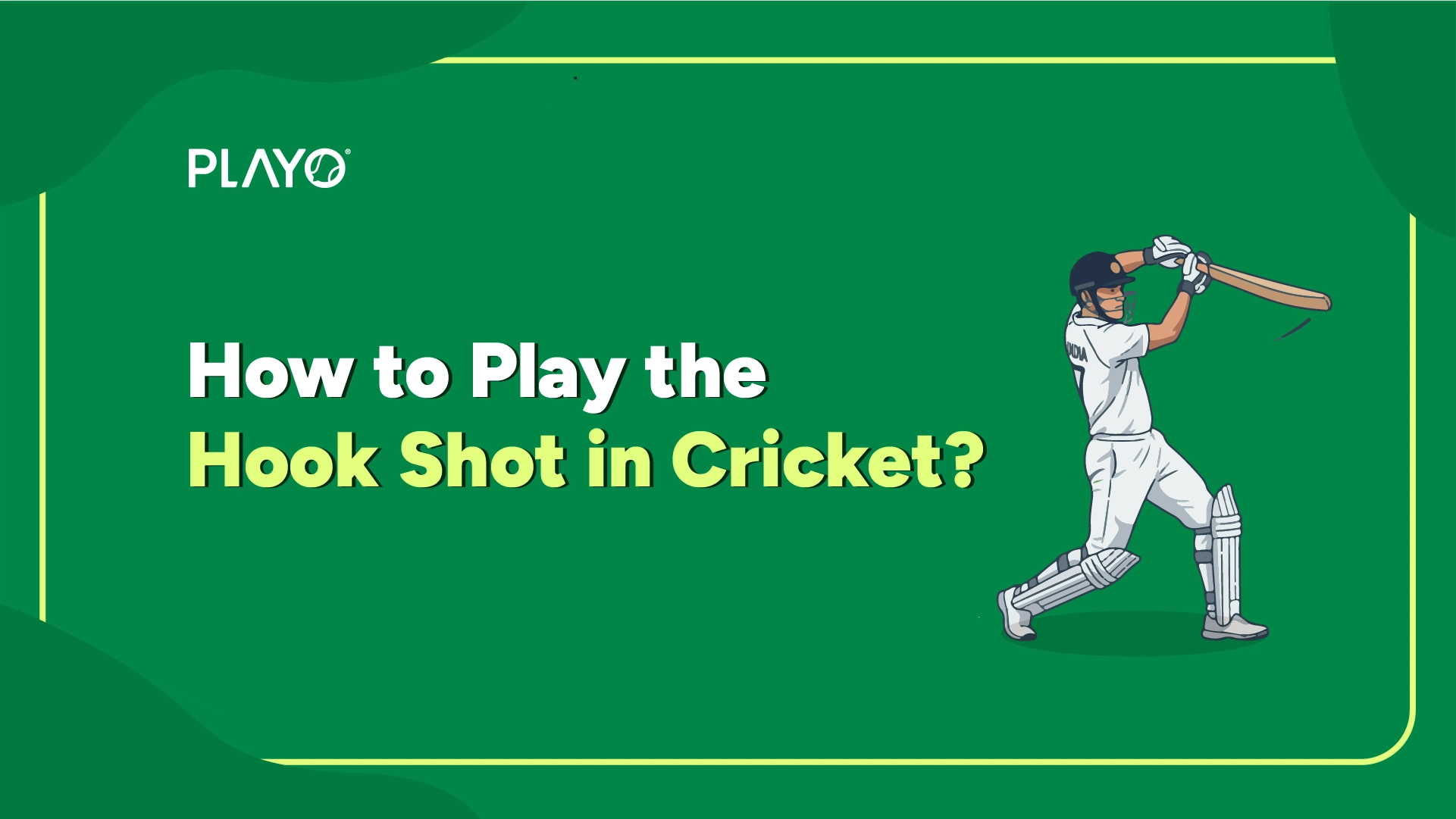
The hook shot is an aggressive batting stroke played to short-pitched deliveries bouncing at chest or head height. The batsman swings the bat in a horizontal arc, pulling the ball around behind square leg toward fine leg. This shot requires exceptional hand-eye coordination, quick reflexes, and precise timing.
Unlike the pull shot, which targets waist-high deliveries, the hook shot deals with genuinely short bowling aimed at the upper body. When executed correctly, it is a boundary-scoring weapon that intimidates fast bowlers and shifts momentum. Legends like Ricky Ponting, Sachin Tendulkar, and Viv Richards mastered this shot to dominate pace attacks worldwide.
However, the hook shot carries significant risk. Poor execution can result in top edges to fine leg, mistimed shots to square leg fielders, or impact injuries to the head and face. This guide breaks down the exact technique, decision-making framework, and practice methods to play the hook shot safely and effectively.
Hook Shot vs Pull Shot
Before learning the hook shot, you must distinguish it from the pull shot:
Pull Shot
- Played to deliveries bouncing around waist height
- The bat swings horizontally in front of the body
- Ball directed toward mid-wicket or square leg
- Can be played off the front or back foot
- Lower risk, higher success rate
Hook Shot
- Played to deliveries bouncing at chest or head height
- The bat swings in a more vertical arc
- Ball directed behind square leg toward fine leg
- Almost exclusively played off the back foot
- Higher risk, requires superior technique
A key rule is that if the ball is below shoulder height after bouncing, play a pull shot. If it’s rising above shoulder height toward your chest or head, consider the hook shot, or evaluate whether to evade entirely.
Read More: Types of Shots in Cricket
Step-by-Step Hook Shot Technique
Step 1: Early Recognition and Decision-Making
The hook shot begins before the ball leaves the bowler’s hand. Watch these cues:
- Bowler’s grip and release: Fast bowlers often adjust their grip for bouncers
- Body position: More upright delivery stride typically generates extra bounce
- Run-up intensity: A slightly faster approach often signals aggressive intent
Make your decision within 0.3 seconds of release. Once you commit to the hook shot, execute fully; hesitation leads to dismissals.
Scan the field before the ball is bowled. If fine leg is positioned in a catching position, reconsider playing the shot unless you’re confident of clearing them.
Step 2: Footwork and Weight Transfer
Proper footwork creates the foundation for a successful hook shot:
- Quick backfoot movement: Move your back foot across and back toward the stumps immediately after identifying the short ball
- Weight distribution: Transfer approximately 70% of your weight onto the back foot
- Stable base: Keep feet shoulder-width apart for balance
- Head position: Keep your head still and eyes level throughout the movement
Ricky Ponting’s signature technique involved getting his head “inside the line” of the ball. This ensured that if he missed, the ball would pass safely over his front shoulder rather than striking his body or stumps.
Step 3: Backlift and Hand Position
Your preparation determines power and control:
- High backlift: Raise the bat higher than normal, above shoulder height, to create a steeper downward swing path
- Hands close to body: Keep your hands near your chest, not extended away from your body
- Front elbow high: Lead with your front elbow, maintaining it at shoulder height or above
- Firm but relaxed grip: Maintain control without tensing your wrists excessively
Step 4: The Swing and Contact Point
This is where technique meets execution:
- Controlled swing path: Bring the bat down in a controlled arc, not a wild slash
- Contact point: Meet the ball in line with or slightly in front of your body—never behind you
- Wrist work: Roll your wrists through the shot to keep the ball down along the ground, or maintain firm wrists to lift it aerially
- Eyes on the ball: Watch the ball onto the bat, don’t look up early to see where it’s going
Sachin Tendulkar’s approach emphasised waiting for the ball and playing extremely late. He used quick wrist movements to precisely manipulate the ball’s placement, often directing it into gaps rather than relying solely on power.
Step 5: Follow-Through and Recovery
Don’t stop at contact:
- Complete the swing: Allow the bat to follow through naturally toward fine leg
- Body rotation: Rotate your hips and shoulders through the shot for maximum power
- Maintain balance: Finish with your weight controlled, ready to run or defend the next delivery
- Head position: Keep your head down until after contact is made
Common Mistakes That Lead to Dismissal
- Playing Too Early: Committing before judging bounce accurately leads to top edges. Wait for the ball, play late, and adjust mid-shot if needed.
- Taking Your Eyes Off the Ball: Looking up before contact causes mistimed shots. Practice watching the ball onto the bat in every net session.
- Poor Head Position: Letting your head fall over or lean back disrupts balance. Keep your head still, eyes level, and chin slightly tucked.
- Overcommitting: Playing the hook shot to balls that are too full or too straight invites disaster. Leave balls outside off-stump or defend straight bouncers.
- Ignoring Field Placements: Hooking straight to fine leg or square leg fielders wastes wickets. Scan the field before the ball is bowled and adjust shot placement accordingly.
When to Play the Hook Shot And When to Avoid It
Play the Hook Shot When:
- The ball is genuinely short (chest/head height after bounce)
- You’re set at the crease (not a new batter)
- The field has gaps behind the square leg
- You need quick runs in final overs or chase situations
- The bowler is tiring and losing accuracy
- The pitch has a consistent, predictable bounce
Avoid the Hook Shot When:
- You’re a new batter (first 10-15 balls)
- The ball is moving sideways off the pitch
- Fine leg is in a catching position
- The pitch has a variable or unpredictable bounce
- You’re not fully balanced
- Your team needs you to bat time, not accelerate
- The bowler is setting a trap with repeated short balls and catchers
Practice Drills to Master the Hook Shot
Drill 1: Mirror Work (No Ball Needed)
Duration: 10 minutes daily
Stand in a batting stance in front of a mirror. Practice backfoot movement, weight transfer, high backlift, and swing path. Check your head position throughout. Repeat 20 times on each side.
Drill 2: Tennis Ball Reaction Training
Duration: 15 minutes
Have a partner throw tennis balls at chest/head height. Start slowly, then gradually increase speed. Focus on watching the ball as it hits your training bat. Practice both hook variations and decision-making, alternating between dodging (duck/sway) and attacking.
Drill 3: Target Practice
Duration: 20 minutes
Place markers in hook shot scoring zones (fine leg, behind square). Face a bowling machine or feeder and aim for specific targets. Track your success rate, aiming for 70% accuracy. Add pressure by setting challenges like “score 20 runs in 10 balls.”
Drill 4: Variable Bounce Simulation
Duration: 15 minutes
Have a feeder vary length and bounce randomly. Call out “hook,” “pull,” or “leave” before each ball and execute only if your decision matches the delivery. This builds judgment and discipline.
Conclusion
The hook shot is a technically demanding stroke that requires precise coordination between footwork, head position, and bat swing. Success depends on early length recognition, quick transfer onto the back foot, and maintaining a stable base through impact. Keeping the head inside the line of the ball and the eyes level is critical for control and safety. Wrist control plays a key role in keeping the ball down and reducing the risk of top edge. Equally important is shot selection. Not every short ball should be attacked. Focus on repeatable mechanics, controlled practice against short-pitched deliveries, and developing the judgement to commit only when you are in a strong, balanced position.
Download Playo on Android or iOS, or visit playo.co to start playing!
Frequently Asked Questions
The hook shot is played to chest or head-high short balls and is more aggressive, usually directed towards fine leg. The pull shot is played to waist-high deliveries and is more controlled, targeting the mid-wicket region.
No. The hook shot should always be played off the back foot to allow time for the ball to rise and for proper weight transfer. Front-footed attempts lead to poor balance and increased risk of dismissal.
Avoid it when the ball is too fast, too high, or when you are not balanced or in control. Also, avoid it if there are fielders placed in catching positions on the leg side.