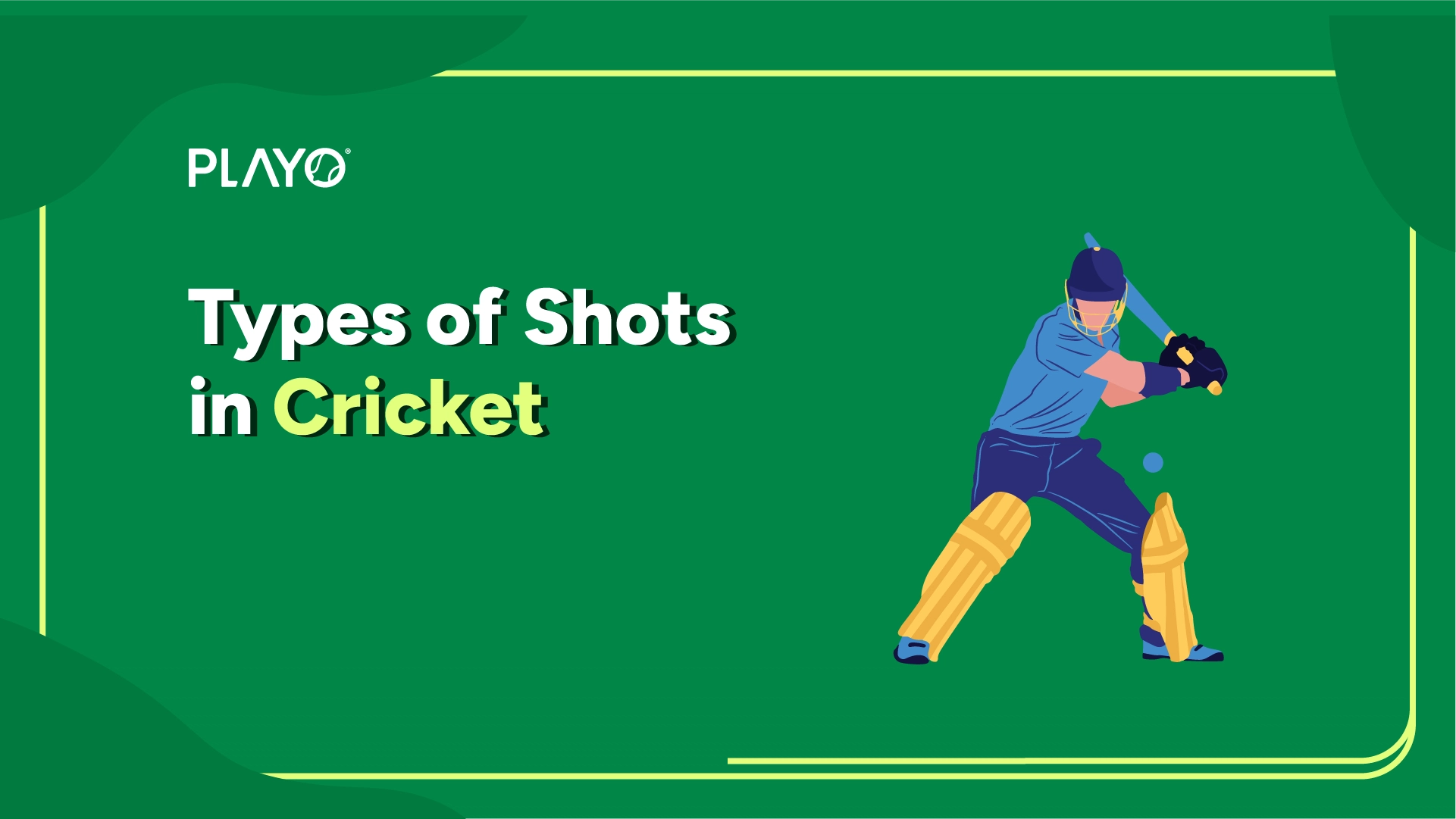


Cricket batting revolves around shot selection and execution. The different types of shots in cricket are structured techniques designed to respond to ball length, line, pace, and match situation. Understanding every cricket shot helps a batter decide whether to defend, rotate strike, or attack. From full-length deliveries suited for drives to short balls requiring pull or hook shots, each stroke serves a clear tactical purpose.
Mastering all cricket shots requires proper footwork, balance, and timing. Classical ground strokes focus on control, while attacking and modern shots prioritise power and innovation. In this guide, we break down essential cricket batting shots, their execution, and when to use them effectively.
Categories of Types of Shots in Cricket
Before diving into the complete list of types of shots in cricket, it is important to understand how these strokes are categorised. Cricket shots are not random swings of the bat; they are structured techniques built around specific match scenarios.
| Category | Type | Explanation |
| Foot Movement | Front-foot shots | Played by stepping forward to meet full-length deliveries. |
| Back-foot shots | Played by shifting weight backwards to tackle short or good-length balls. | |
| Direction | Off-side shots | Played on the side of the body facing the bat’s front (cover, point, extra cover). |
| Leg-side shots | Played on the side behind the batter’s stance (mid-wicket, square leg, fine leg). | |
| Intent | Attacking shots | Designed to score boundaries or accelerate the run rate. |
| Defensive shots | Focused on protecting the wicket and building an innings patiently. | |
| Ball Length | Full-length deliveries | Ideal for drives. |
| Good-length deliveries | Require careful judgment and technique. | |
| Short-pitched deliveries | Played using back-foot shots like pull and hook. |
Read More: Rohit Sharma and Virat Kohli Partnership in Indian Cricket
Front-Foot Shots

Front-foot shots are the backbone of classical batting technique. These types of shots in cricket are played when the batsman steps forward towards the pitch of the ball, typically against fuller deliveries.
1. The Cover Drive
Widely regarded as the most aesthetically pleasing shot in cricket, the cover drive epitomises elegance and technical perfection. This shot requires impeccable timing, balance, and footwork.
How to execute: The batsman leans into the shot with a high elbow, presenting the full face of the bat. The head must be in a perfect position over the front knee, with quick foot movement towards the pitch of the ball. The follow-through should be complete, with the bat finishing high over the shoulder.
Ideal delivery: Full and wide deliveries outside the off-stump
Masters of this shot: Virat Kohli, Kane Williamson, Sourav Ganguly, and Rahul Dravid have all mesmerised fans with their exquisite cover drives.
2. The Straight Drive
The straight drive is perhaps the most fundamental shot in cricket coaching and a true test of a batsman’s technique. When executed perfectly, it’s one of the most satisfying cricket ground shots to watch.
How to execute: This shot demands a straight bat, high elbow, and perfect balance. The batsman steps forward, driving the ball straight back past the bowler. The key is keeping the bat straight throughout the shot and maintaining a still head position.
Ideal delivery: Full-length balls aimed at or around the stumps
3. The On Drive
Considered technically challenging, the on drive is a shot that separates good batsmen from great ones.
How to execute: The batsman leans into the ball, guiding it to the on-side with a straight bat between mid-on and mid-wicket. Balance is crucial, with the head moving forward into the line of the ball.
Ideal delivery: Full-length balls on middle and leg stumps
Back-Foot Shots
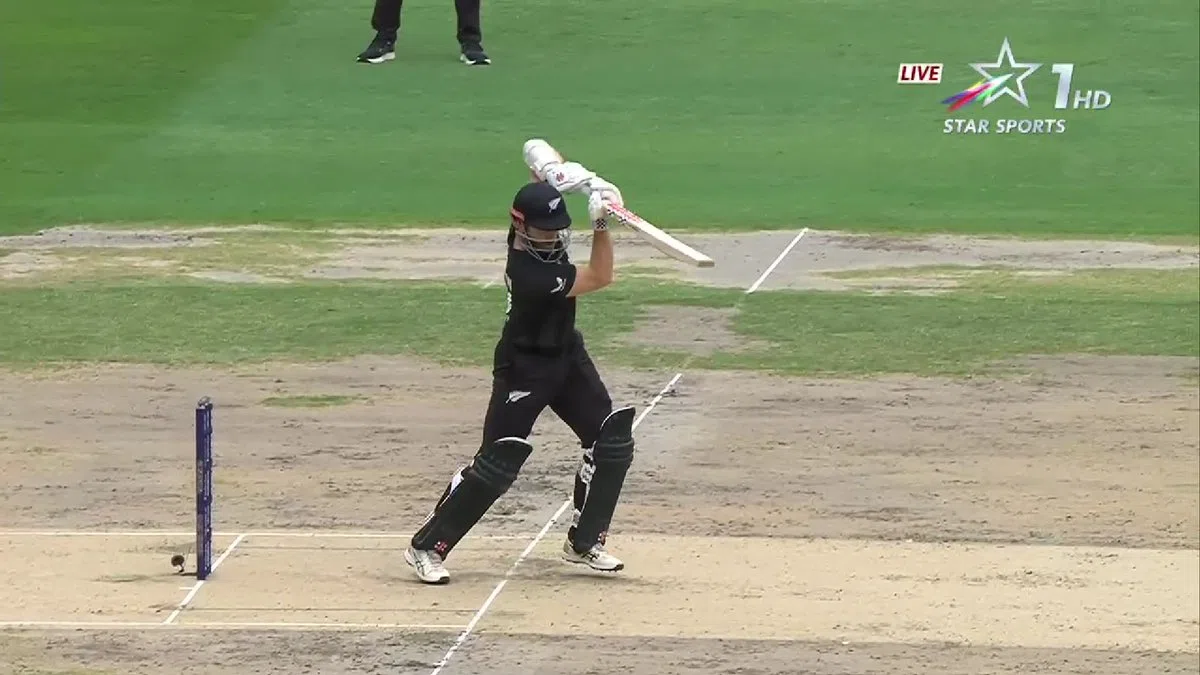
When faced with shorter deliveries, batsmen shift their weight onto the back foot. These cricket batting shots names are essential for scoring against pace and bounce.
1. The Square Cut
The square cut is a powerful, high-scoring shot that punishes loose deliveries with authority. It’s one of the most exciting types of shots in cricket to play and watch.
How to execute: The batsman rocks onto the back foot, using quick hands and sharp reflexes to cut the ball square through the point region. The wrists must roll to keep the ball down, and a solid base with firmly planted legs is essential. The shot is played with a horizontal bat and plenty of power.
Ideal delivery: Short and wide balls outside the off-stump
Best exponents: Rahul Dravid, Chris Gayle, Kumar Sangakkara, and Virat Kohli
2. The Pull Shot
One of the most aggressive shots in cricket, the pull shot is a statement of dominance against short-pitched bowling.
How to execute: The batsman swivels on the back foot, with the front leg forming the base. The back foot, shoulders, and head move back and across. The key is rolling the wrists to guide the ball downwards and transferring weight from the back leg to the front while maintaining a still head.
Ideal delivery: Short-pitched balls around waist height on leg or middle stump
Masters: Rohit Sharma, David Warner, AB de Villiers, and Eoin Morgan
3. The Hook Shot
The hook shot is one of the technically most difficult yet majestic cricket shots. It’s used to tackle dangerous bouncers and assert authority over the bowler.
How to execute: Balance is paramount. The batsman must watch the ball closely, execute a determined backswing, and swing the arms through the line of the ball, guiding it between square and fine leg. The wrists generate power, and the shot is played with a vertical bat.
Ideal delivery: Short-pitched balls at or above chest height
Legendary exponents: Jacques Kallis, Viv Richards, Sachin Tendulkar, Ricky Ponting, and Hashim Amla
Leg-Side Shots
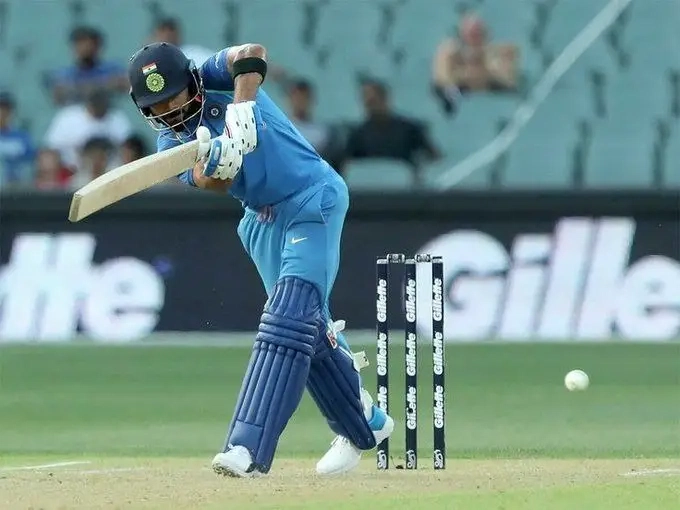
These cricket batting shots showcase a batsman’s ability to work the ball on the leg side with finesse.
1. The Leg Glance
The leg glance is a delicate, graceful shot that demonstrates exceptional hand-eye coordination.
How to execute: Using soft hands, the batsman deflects the ball off the pads towards the fine leg region. The shot requires subtle wrist work and precise timing rather than brute force.
Ideal delivery: Balls drifting onto the pads or leg stump
2. The Flick Shot
Also known as the “leg glance,” the flick shot is all about timing and wrist work. It’s one of the most elegant types of shots in cricket.
How to execute: The batsman uses their wrists to flick the ball through mid-wicket or square leg. More aggressive players step across to the middle stump to play it as an attacking shot. It can be played on the ground or in the air.
Ideal delivery: Full or good-length balls on leg stump
Spin Bowling Specialists
1. The Sweep Shot
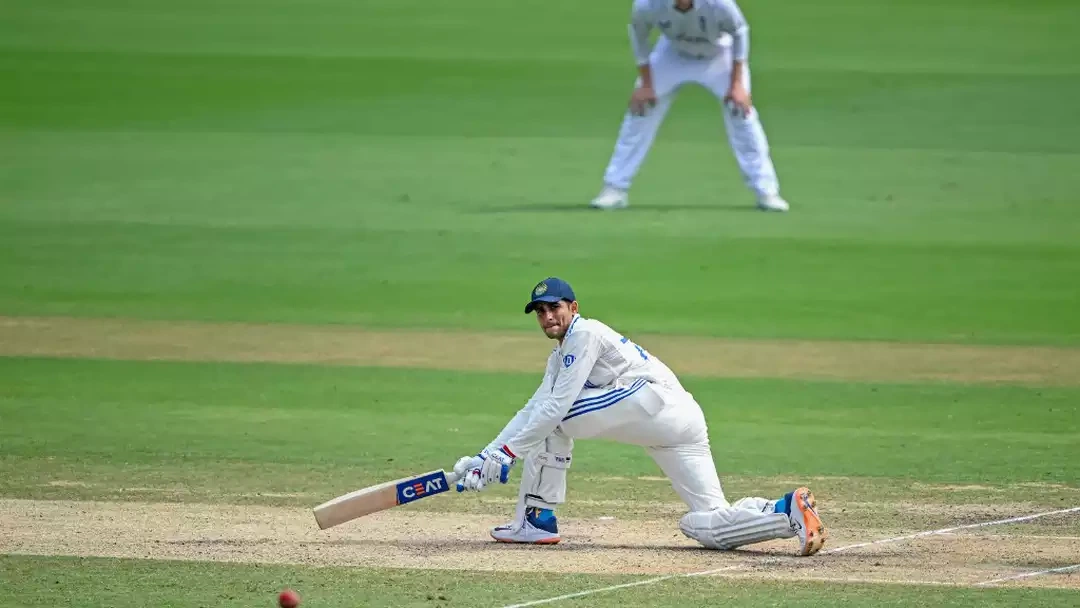
The sweep is one of the most effective weapons against spin bowling and a crucial shot in every batsman’s arsenal.
How to execute: The batsman gets into a good stride, swings the bat down and across the body, and brings it down in front of the pad. At the point of impact, rolling the wrists keeps the ball down. The backlift angle and point of impact are critical metrics for mastering this shot.
Ideal delivery: Full or good-length balls from spinners that aren’t bouncing particularly high, going down leg
Best exponents: AB de Villiers, Steve Smith, and KL Rahul
Unorthodox and Innovative Shots
Modern cricket has witnessed the emergence of unconventional cricket, all shots that add flair and unpredictability to batting.
1. The Reverse Sweep
A daring shot that reverses the traditional sweep, sending the ball towards the off-side instead of the leg side.
How to execute: The batsman switches grip or stance, sweeping the ball towards the third man or point region.
2. The Scoop and Ramp Shots
These innovative cricket ground shots involve lifting the ball over the wicketkeeper or fine leg, using the bowler’s pace against them.
How to execute: The batsman kneels or opens the bat face, angling it upwards to send the ball behind the wicket.
3. The Helicopter Shot
Made famous by MS Dhoni, this powerful, wristy shot generates maximum bat speed.
How to execute: The batsman swings the bat in a circular motion, using the bottom hand to generate power and lift the ball over mid-wicket or long-on, particularly effective against yorkers.
Defensive Shots
While attacking cricket batting shots often dominate highlight reels, defensive shots form the backbone of long, successful innings. In formats like Test cricket, the ability to defend consistently determines how long a batter survives at the crease. Solid defence frustrates bowlers, builds pressure, and creates scoring opportunities later.
1. Forward Defensive
The forward defensive is played against full or good-length deliveries. The batter steps forward toward the pitch of the ball with a straight bat and soft hands. The front knee bends slightly, the head stays over the ball, and the bat comes down vertically close to the pad.
The objective is not to score but to kill the pace of the ball, ensuring it drops safely near the feet. Soft grip and controlled contact reduce the chances of edges carrying to slips or short covers. This shot is essential against swing and seam bowling.
Ideal delivery: Full or good-length balls targeting off or middle stump.
2. Backward Defensive
The backward defensive is used against shorter or back-of-length deliveries. Instead of stepping forward, the batter shifts weight onto the back foot while keeping the bat straight and close to the body.
Balance is critical here. The head must remain steady, and the bat should come down vertically to prevent inside or outside edges. This shot is particularly useful on bouncy pitches where moving forward could be risky.
Ideal delivery: Short-of-a-length balls outside off stump or rising deliveries.
Technical Foundations of Cricket Shot-Making
Mastering these types of shots in cricket requires dedication, practice, and often, technology. Modern tools like StanceBeam provide detailed insights into bat angles, backlift, impact points, and follow-through angles, helping batsmen refine their technique for each shot.
Key elements common to all successful shots include:
- Balance: A stable base is fundamental
- Head position: Keep your head still and eyes level
- Watching the ball: Never take your eyes off the ball
- Footwork: Quick, decisive movement
- Timing: More important than power
- Practice: Repetition builds muscle memory
Conclusion
The different types of shots in cricket form the technical framework of batting. Each shot is designed to counter a specific length, line, and pace of delivery. Drives dominate full balls, cuts and pulls handle short-pitched bowling, sweeps counter spin, and defensive strokes protect the wicket in challenging conditions. Understanding the names of these cricket shots is not just about memorising strokes but about recognising when and why to use them.
A complete batter develops proficiency across front-foot, back-foot, attacking, defensive, and innovative shots. This versatility improves scoring options, reduces risk, and enhances adaptability across formats such as Test cricket and T20S. By focusing on shot selection, balance, timing, and footwork, players can build a technically sound, strategically aware batting approach that performs consistently across different match situations.
Download Playo on Android or iOS, or visit playo.co to start playing!
Frequently Asked Questions
There is no fixed number, but commonly recognised cricket shots include cover drive, straight drive, pull, hook, cut, sweep, reverse sweep, flick, lofted drive, slog, ramp, and switch hit. Modern formats continue to introduce new variations.
The hook shot and reverse sweep are often considered the most difficult cricket shots. Both require exceptional timing, balance, and courage. The hook is played against fast bouncers, while the reverse sweep demands quick hand repositioning against spin.
Both are back-foot shots played against short-pitched deliveries. The pull shot is played to balls around chest height, usually toward mid-wicket, while the hook shot is played to bouncers above shoulder height, often directed toward fine leg.
Beginners should first master defensive shots, straight drive, cover drive, and flick. These build proper technique, balance, and timing before attempting advanced or innovative shots.
Ground shots are strokes played along the turf without lifting the ball in the air. Examples include cover drive, straight drive, on drive, and cut shot. These shots reduce risk and are commonly used in longer formats like Test and ODI cricket.