

What is the Rabona Kick?
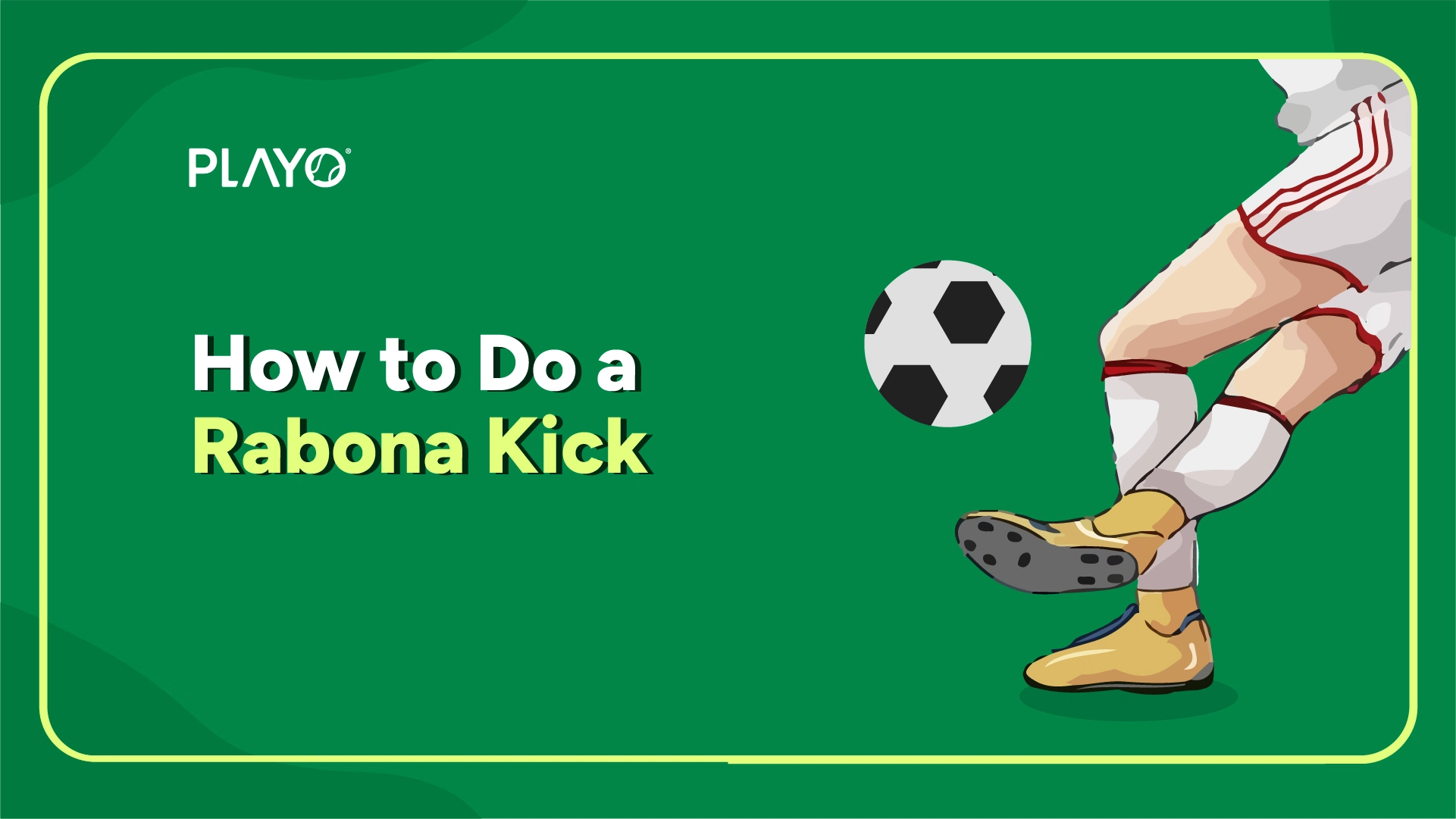
The rabona kick is performed by swinging your dominant leg behind your standing leg to strike the ball. This elegant move serves multiple purposes on the pitch- from executing a tricky pass or shot to evading defenders with style. However, it’s a move that demands control, balance, timing, and precision to execute successfully. Proper body positioning and a locked ankle are essential to generate both power and accuracy during contact.
What makes the rabona free kick particularly special is its element of surprise. When performed correctly, it can catch goalkeepers and defenders off guard, making it a valuable weapon in any player’s arsenal. It is often used when the ball sits on a player’s weaker side, allowing them to maintain rhythm without switching feet.
The History of the Rabona Kick
The rabona kick dates back to the 1940s in Argentina. Legend has it that the first-ever rabona was performed by Ricardo Infante, a talented footballer for Estudiantes, during a match against Rosario Central in 1948. Infante used this move to disguise a shot that became a stunning goal, leaving the audience in awe.
The term “rabona” comes from the Spanish word “rabo,” meaning “tail,” referring to the way the kicking leg wraps around the standing one. The move gained international popularity thanks to its repeated use by iconic players like Diego Maradona, Cristiano Ronaldo, Ángel Di María, and Erik Lamela, each of whom brought their unique flair to the trick.
Read More: Top 4 Tennis Playing Styles and How to Beat Them
How to Do Rabona Kick: Step-by-Step Instructions
Step 1: Choose Your Position and Setup
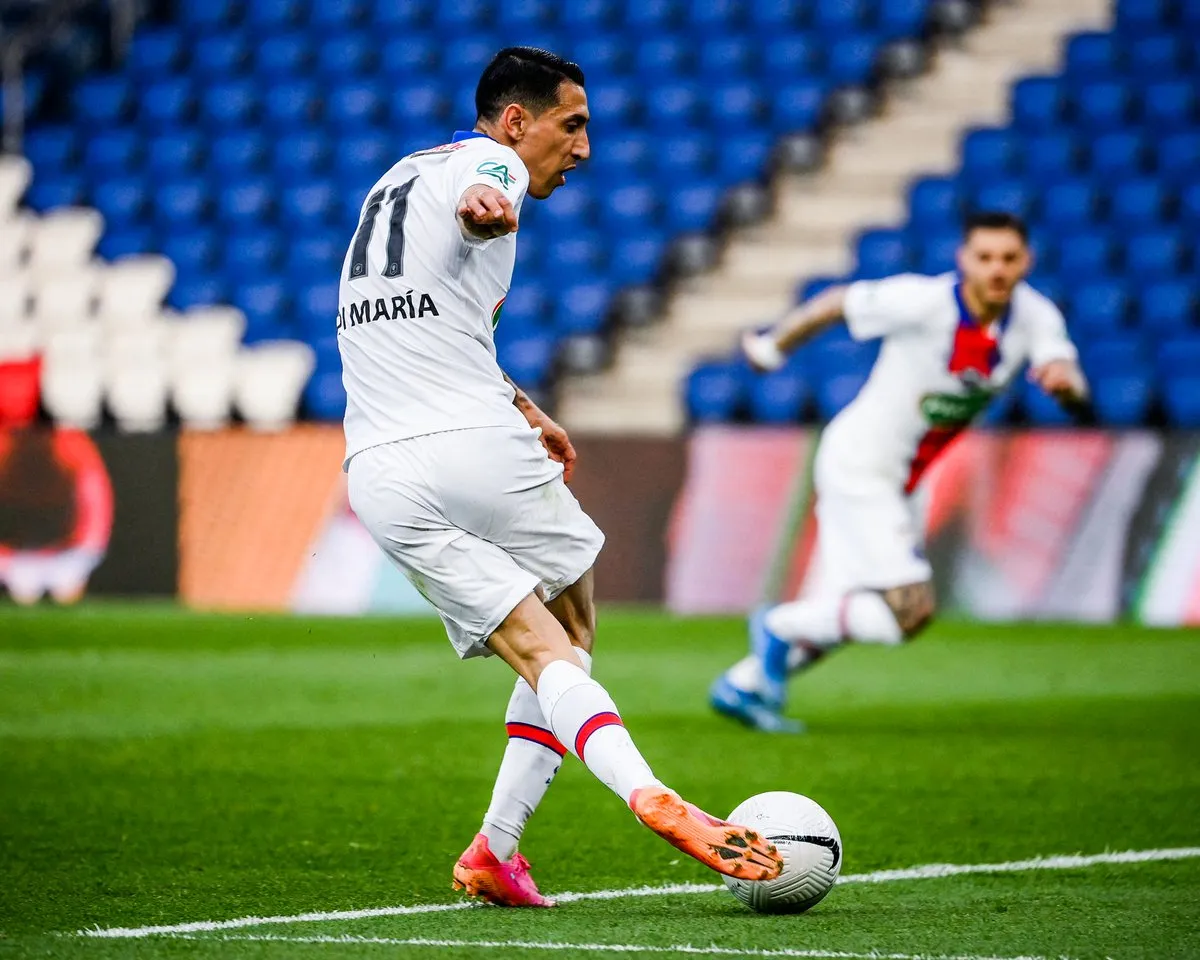
Before attempting the rabona kick, set up the ball for your stronger leg. Stand at a slight diagonal angle to ensure a comfortable range for your dominant foot to swing behind your standing leg. Position the ball on the outside of your non-kicking foot—about 20-30 cm away.
Step 2: Plant Your Non-Dominant Foot
Place your non-dominant foot firmly on the ground next to the ball, approximately a foot away. This foot should be slightly pointed towards the ball, not parallel to it. Shift your weight onto this standing leg, as balance is critical to avoid falling during execution. Your non-kicking foot must remain firmly planted to set up your entire posture and range of movement.
Step 3: Prepare Your Body Position
Lean back slightly with your arms outstretched for balance. This positioning is crucial as it gives you the stability needed to execute the football rabona kick successfully. Focus your eyes on the spot where you want to strike the ball—typically towards the underside for lift and height.
Step 4: Execute the Swing
Swing your stronger leg behind your weaker leg in a fluid but controlled motion. As you swing your dominant leg around behind your planted leg, bring your foot up high by bending your knee. The higher you lift your foot, the more power you’ll generate in your strike.
Point your toe down and angle your foot for precise contact. You should be striking the ball with the outside or inside of your foot, depending on your intended outcome:
- For passing: Aim for the side of the ball
- For shooting or crossing: Hit it just underneath or at the middle to add lift
Step 5: Follow Through
Strike the ball with the inside or top part of your dominant foot. Follow through by allowing your swinging leg to naturally complete its motion. Turn your shoulders to face your target as you follow through. This can be particularly challenging for the rabona kick because your non-kicking leg may be in the way. Sometimes, lifting both feet off the ground as you complete your strike can help.
Tips for Mastering the Football Rabona Kick
The rabona is one of the most stylish yet technically demanding skills in football. It requires exceptional balance, coordination, timing, and confidence to execute effectively during a match. If you want to master this advanced technique, consistent practice and focused training are essential.
Practice Makes Perfect
The rabona kick is a very difficult skill that can take months or even years to master. Dedicate time to practising this move both with and without defenders. Start slowly on the training ground before attempting it in high-pressure situations.
Strengthen Your Core
The rabona relies heavily on strong core muscles to maintain balance and generate power as you twist to strike the ball. Incorporate exercises like single-leg squats, planks, and other core-strengthening movements into your workout routine.
Focus on Accuracy
Set up targets using cones or other markers to practice your aim. Continue practising until you can reliably kick the ball to your intended location. Accuracy is more important than power when learning how to do rabona kick techniques.
Master the Timing
Perfecting the timing of your rabona kick is essential. The effectiveness of this move hinges on its element of surprise. Practice until the movement feels natural and comfortable.
Watch the Professionals
Study players like Cristiano Ronaldo, Ángel Di María, Ricardo Quaresma, and Erik Lamela, who are famous for their rabonas. Observing their movement in games can teach you key techniques and inspire your own style.
Variations of the Rabona Kick
The rabona is not limited to a single application on the pitch; it can be adapted for different attacking situations. Depending on positioning and intent, players use variations of the rabona to cross, shoot, or even take set pieces. Understanding these variations helps you apply the skill more effectively during real match scenarios.
The Cross Rabona
This variation is especially useful for crossing the ball into the penalty area. As you cross your legs and make contact with the ball, control the direction and trajectory to deliver an accurate cross to your teammates.
The Rabona Shot
While the football rabona kick is often used to pass or cross the ball, it can also be a potent attacking move. When you use the rabona for a shot, you introduce an extra layer of unpredictability for the goalkeeper, making it a fantastic way to score goals.
The Rabona Free Kick
A rabona free kick can catch defenders and goalkeepers completely off guard. The unusual technique makes it difficult for opponents to predict the ball’s trajectory, giving you a strategic advantage.
Common Mistakes to Avoid
- Lack of Control: Trying the rabona kick at full speed too soon can result in embarrassing slips or mishits. Master it in training first before using it in matches.
- Poor Weight Transfer: Without shifting weight properly onto your standing foot, the move will lack power and accuracy.
- Incorrect Foot Placement: Make sure your non-kicking foot is positioned correctly. Having it parallel to the ball instead of slightly pointed towards it can cause problems.
- Kicking Your Stationary Leg: Ensure that your foot goes around your other foot and strikes the ball cleanly. Proper placement of the non-kicking foot is essential.
- Overusing It: Use the rabona kick sparingly in games. Over-reliance can become predictable and reduce its effectiveness.
- Rushing the Movement: Don’t panic or hurry while executing the trick. Stay calm and practice slowly until it feels more natural.
Famous Rabona Kick Moments
The rabona kick has produced some of football’s most memorable moments:
- Erik Lamela scored a breathtaking rabona kick goal for Tottenham Hotspur against Arsenal in the Premier League, a goal that remains one of the most memorable in recent football history.
- Ricardo Quaresma became renowned for his mastery of the football rabona kick, using it to cross the ball or take shots from tight angles throughout his career.
- Ángel Di María and Cristiano Ronaldo have both showcased spectacular rabonas in high-pressure matches, demonstrating the move’s effectiveness at the highest level.
Conclusion
Mastering how to do rabona kick techniques requires patience, dedication, and consistent practice. While it’s one of football’s most challenging skills, the rewards are worth the effort. Start by focusing on the fundamentals: proper foot placement, balance, and controlled movement. Gradually build up your speed and confidence as you become more comfortable with the technique.
Remember, even the world’s best players spent countless hours perfecting their rabona kick. Be patient with yourself, practice regularly, and don’t be afraid to make mistakes along the way. With time and dedication, you’ll be executing stunning rabonas that leave defenders bewildered and crowds amazed.
Download Playo on Android or iOS, or visit playo.co to start playing!
Frequently Asked Questions
The term rabona originates from the Spanish phrase “hacerse la rabona,” meaning “to play hooky” or “skip school.” The name became popular in 1948 after Argentine footballer Ricardo Infante performed the crossed-leg kick in a match. An Argentine magazine used the phrase to describe how he “skipped” using his weaker foot, and the term stuck in football vocabulary.
Yes, a rabona penalty is completely legal in football. As long as the ball is kicked forward and the player follows standard penalty rules, using the rabona technique does not violate any laws of the game.
The rabona kick is widely credited to Argentine player Ricardo Infante, who famously used it in 1948 while playing for Estudiantes. His creative execution helped popularise the technique in professional football.
The rabona kick is named after the Spanish expression “hacerse la rabona,” which means “to play truant” or “skip.” In football terms, it refers to skipping the natural use of the weaker foot by wrapping the stronger leg behind the standing leg.
The rabona is considered an advanced technique. It requires strong balance, coordination, timing, and ankle control. Beginners may find it challenging at first, but with regular practice and proper technique, it becomes much easier to execute confidently in match situations.