
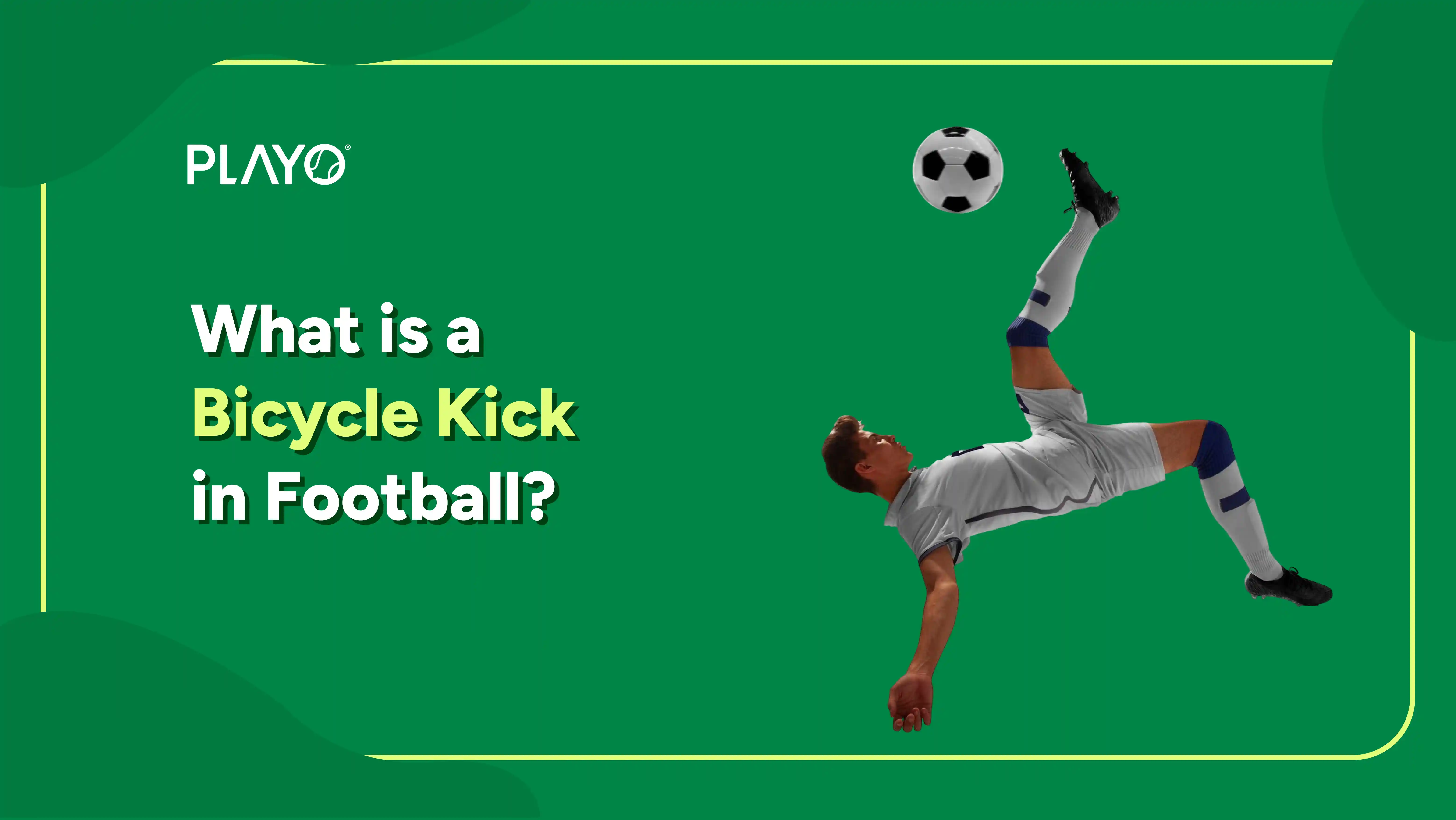


Few moments in football are as exciting as a perfectly executed bicycle kick. In a matter of seconds, a player leaps into the air with their back to the goal, swings both legs overhead, and strikes the ball before landing on the ground. It is a move that demands exceptional timing, coordination, athleticism, and confidence, making it one of the most difficult skills in the game.
From local football pitches to the FIFA World Cup and the UEFA Champions League, the bicycle kick has produced some of the sport’s most memorable goals. While it isn’t attempted often, a successful bicycle kick can change the course of a match and leave fans in awe.
But what exactly is a bicycle kick in football? How does it work, when do players use it, and why is it considered one of football’s most iconic techniques? In this guide, we’ll answer all these questions, explain how the skill is performed, explore its history, and look at some of the greatest bicycle kick goals ever scored.
What Exactly is a Bicycle Kick in Football?
A bicycle kick (also known as an overhead kick) is an advanced football technique in which a player strikes a ball while airborne with their back facing the goal. It is typically attempted when the ball is too high to volley normally or when there isn’t enough time or space to control it before shooting.
To perform the move, the player jumps into the air, leans backwards, and lifts both legs off the ground. One leg swings upward to strike the ball, while the other provides balance and momentum, creating a motion that resembles pedalling a bicycle. After making contact, the player lands on their upper back or shoulders to absorb the impact safely.
A well-executed bicycle kick can generate tremendous power and send the ball in an unexpected direction, making it extremely difficult for goalkeepers to react. However, because it demands exceptional timing, coordination, flexibility, and confidence, it is considered one of the most technically challenging skills in football.
The Fascinating History and Origin of the Bicycle Kick
The exact origins of the bicycle kick are a subject of fierce historical debate, with both South American and European nations laying claim to its invention. However, the move undeniably evolved in the early 20th century.
The Chilean “Chalaca”
Many historians trace the earliest version of the move to the port city of Callao, Peru, or neighbouring Chile, during the 1910s. Chilean footballer Ramón Unzaga is widely credited with pioneering the technique, which became known locally as the chalaca. He used the acrobatic overhead motion to clear difficult aerial balls, surprising both opponents and spectators. Although its exact birthplace remains debated, Unzaga’s performances helped establish the bicycle kick as a distinctive football technique.
The Brazilian “Bicycle”
The move gained global recognition in the 1930s through Brazilian legend Leônidas da Silva, nicknamed the “Black Diamond.” Renowned for his athleticism, Leônidas regularly used the acrobatic strike in competitive matches, helping popularise it around the world. According to football lore, Brazilian journalists coined the term bicicleta because the motion of his legs resembled pedalling a bicycle. From there, the technique spread internationally and became one of football’s most iconic skills.
Read More: How to Do a Rabona Kick?
How to Perform a Bicycle Kick
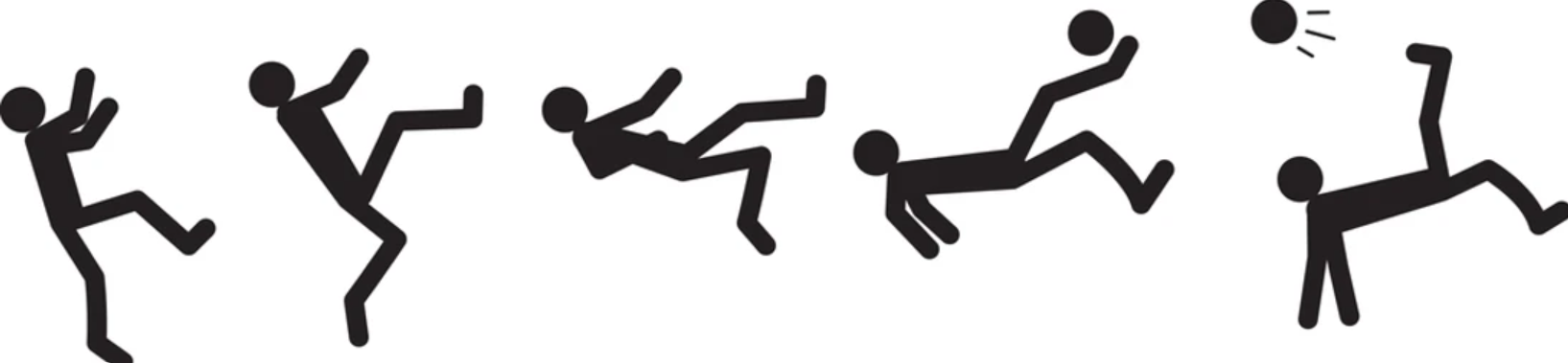
While watching a professional execute a bicycle kick makes it look effortless, performing one is incredibly difficult. If you are an aspiring footballer looking to learn the technique, here is the step-by-step breakdown:
1. Track the Ball and Position Your Body
You must keep your eyes locked on the ball’s trajectory. Position yourself slightly side-on to the goal, ensuring the ball is dropping at the optimal height (usually between chest and head level).
2. The Takeoff and Fall
Push off your non-kicking foot to generate upward momentum. As you leave the ground, fall backwards. Your non-kicking leg should point upward first to help generate the necessary lift and balance.
3. The Scissoring Motion
As your back faces the ground, bring your kicking leg up forcefully to meet the ball. Immediately after, your non-kicking leg should follow downward. This scissoring motion is what generates the power behind the strike.
4. The Point of Contact
Timing is everything. You must make contact with the ball at the absolute peak of your jump. Striking the ball with the laces (the top of your foot) provides the best combination of power and accuracy. Keep your eyes on the ball until the exact moment of impact.
5. The Landing
This is crucial for injury prevention. Do not land flat on your back or neck. Tuck your chin to your chest, aiming to land on your upper back and shoulders, and use your momentum to roll safely onto your side.
Understanding Overhead, Bicycle & Scissor Kicks
Commentators often use these terms interchangeably, but purists note slight technical differences:
- Overhead Kick: This is the umbrella term for any strike where the player hits the ball backwards over their own head while airborne.
- Bicycle Kick: A specific type of overhead kick where the player’s legs perform a continuous, circular “pedalling” motion in the air.
- Scissor Kick: Often confused with the bicycle kick, a scissor kick occurs when the player is more sideways to the goal. The legs cross over one another like the blades of a pair of scissors, rather than performing a full circular pedalling motion.
The Greatest Bicycle Kick Goals in Football History
The bicycle kick has produced some of football’s most unforgettable moments. From Champions League finals to international matches, these spectacular strikes have showcased exceptional athleticism, technique, and composure under pressure. Here are five of the greatest bicycle kick goals in football history.
1. Cristiano Ronaldo vs. Juventus (2018)
In the UEFA Champions League quarter-final, Cristiano Ronaldo produced what many consider the greatest bicycle kick ever. Meeting a cross from Dani Carvajal, he rose approximately 2.38 metres (7.8 feet) off the ground before striking the ball perfectly into the top corner. The goal was so extraordinary that Juventus supporters at the Allianz Stadium applauded an opposition player, a rare moment that reflected the sheer brilliance of the strike.
2. Gareth Bale vs. Liverpool (2018 Champions League Final)
Just minutes after coming on as a substitute, Gareth Bale changed the Champions League Final with an unforgettable bicycle kick. Marcelo’s looping cross drifted slightly behind him, but Bale reacted instinctively and sent an unstoppable overhead effort past Loris Karius. The spectacular goal restored Real Madrid’s lead and became one of the defining moments of the club’s third consecutive Champions League title.
3. Wayne Rooney vs. Manchester City (2011)
Few derby goals are remembered as vividly as Wayne Rooney’s bicycle kick against Manchester City. After Nani’s cross deflected awkwardly into the air, Rooney adjusted his body in an instant and unleashed a perfectly timed overhead strike that flew into the top corner. The winning goal secured a famous Manchester derby victory and is still regarded as one of the greatest goals in Premier League history.
4. Zlatan Ibrahimović vs. England (2012)
Zlatan Ibrahimović took the bicycle kick to another level by scoring from around 30 yards after England goalkeeper Joe Hart headed the ball clear outside his penalty area. With the ball dropping behind him, Zlatan launched into an audacious overhead kick that looped into the empty net. The stunning strike won the 2013 FIFA Puskás Award and is widely regarded as one of the greatest international goals ever scored.
5. Pelé vs. Belgium (1968)
Although Pelé’s bicycle kick against Belgium was not captured from every angle like modern goals, it remains one of the earliest examples of the technique being showcased on the international stage. The strike highlighted his exceptional athleticism, balance, and creativity, helping popularise the bicycle kick as a symbol of Brazil’s beautiful style of football and inspiring generations of players to master the spectacular skill.
Why is the Bicycle Kick So Rare?
If the bicycle kick is so effective, why don’t players attempt it more often? The answer lies in the level of skill, timing, and courage it demands. Unlike a regular shot or volley, a bicycle kick offers very little margin for error, making it one of football’s most difficult techniques to execute.
To pull it off successfully, a player must accurately judge the ball’s height, speed, and direction before launching into the air. They also need excellent coordination and spatial awareness to strike the ball cleanly while their back is facing the goal, often relying on instinct rather than direct vision.
The move also carries a higher risk of injury. Landing awkwardly or colliding with nearby defenders can result in injuries to the back, shoulders, or neck. Because of these challenges, players usually attempt a bicycle kick only when the opportunity is ideal, making every successful effort a rare and unforgettable moment.
Conclusion
The bicycle kick is one of football’s most iconic and technically demanding skills. More than just a spectacular way to score, it reflects a player’s timing, coordination, confidence, and ability to make split-second decisions under pressure. While it’s rarely attempted, a successful bicycle kick has the power to change the course of a match and create moments that are remembered for years.
Whether you’re new to football or a lifelong fan, understanding how the bicycle kick works gives you a greater appreciation for the skill and athleticism behind it. The next time a player launches into the air for an overhead strike, you’ll know exactly why the bicycle kick remains one of the most celebrated techniques in the beautiful game.
Download Playo on Android or iOS, or visit playo.co to start playing!
Frequently Asked Questions
Yes, generally speaking. “Overhead kick” is the broader term for striking the ball backwards over your head while in the air, while “bicycle kick” specifically refers to the continuous pedalling motion of the legs during the strike.
While Chilean player Ramón Unzaga is credited with early variations of the move in the 1910s (the chalaca), Brazilian legend Leônidas da Silva is the player who popularised it globally in the 1930s and inspired the term “bicycle kick.”
Some of the most famous bicycle kick goals were scored by Cristiano Ronaldo, Gareth Bale, Wayne Rooney, and Zlatan Ibrahimović. Ronaldo’s bicycle kick against Juventus in the 2018 UEFA Champions League is widely regarded as one of the greatest of all time.
The move gets its name from the way the player’s legs rotate in the air, resembling the motion of pedalling a bicycle as the player strikes the ball.
Yes. A bicycle kick is completely legal under the Laws of the Game, provided it is performed safely and does not involve dangerous play. Referees may award a free kick if the move puts nearby opponents at risk, such as by kicking too close to another player’s head.
A bicycle kick is performed with the player’s back facing the goal and a circular pedalling motion of the legs, whereas a scissor kick is executed with the body positioned more sideways, causing the legs to cross like a pair of scissors.